How pupils at a Birmingham school are fighting air pollution in the playground
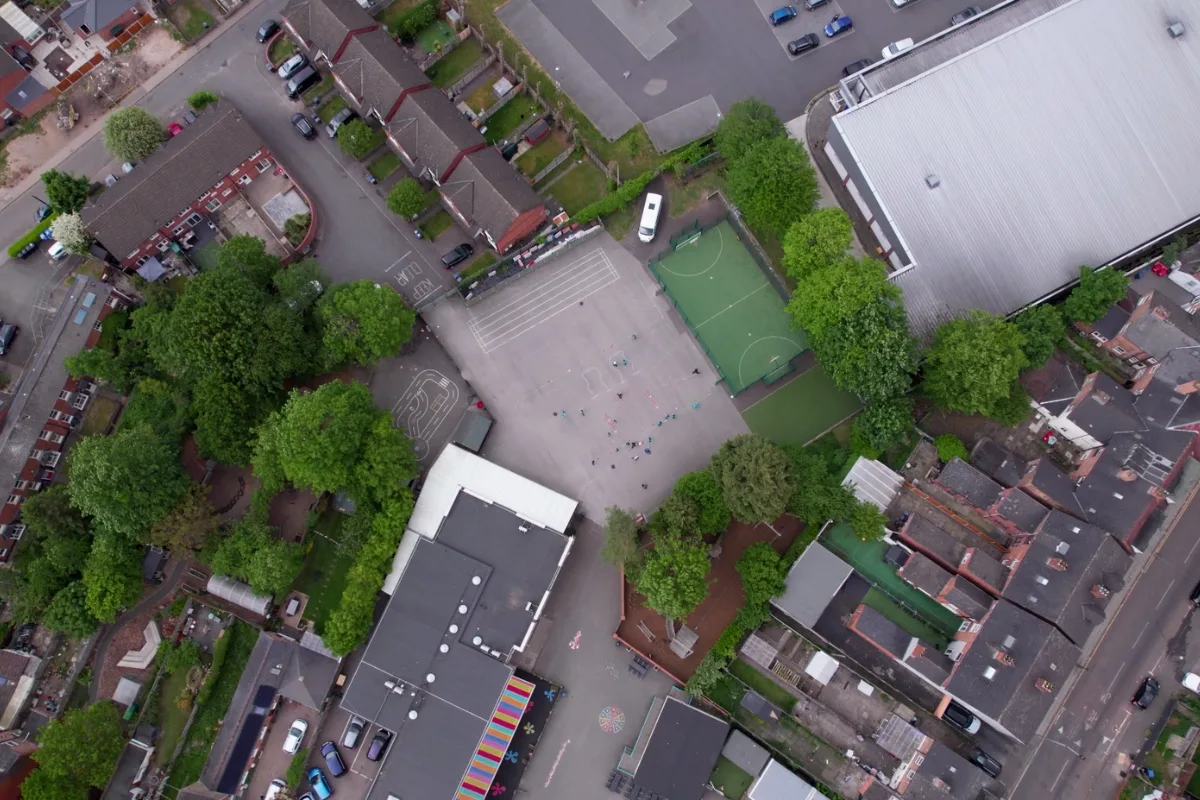
Ark Tindal is in the middle of Birmingham, next to the busy A435 and backing onto a Lidl carpark.
The school has long prioritised outdoor spaces. By now it has chickens that are looked after by early years, a pond, and outdoor learning spaces. They have an enthusiastic gardening club, manage a strip of accessible gardening land that they share with the wider community, and they cook, eat and then compost food they grow on site.
However, air pollution remains a problem.
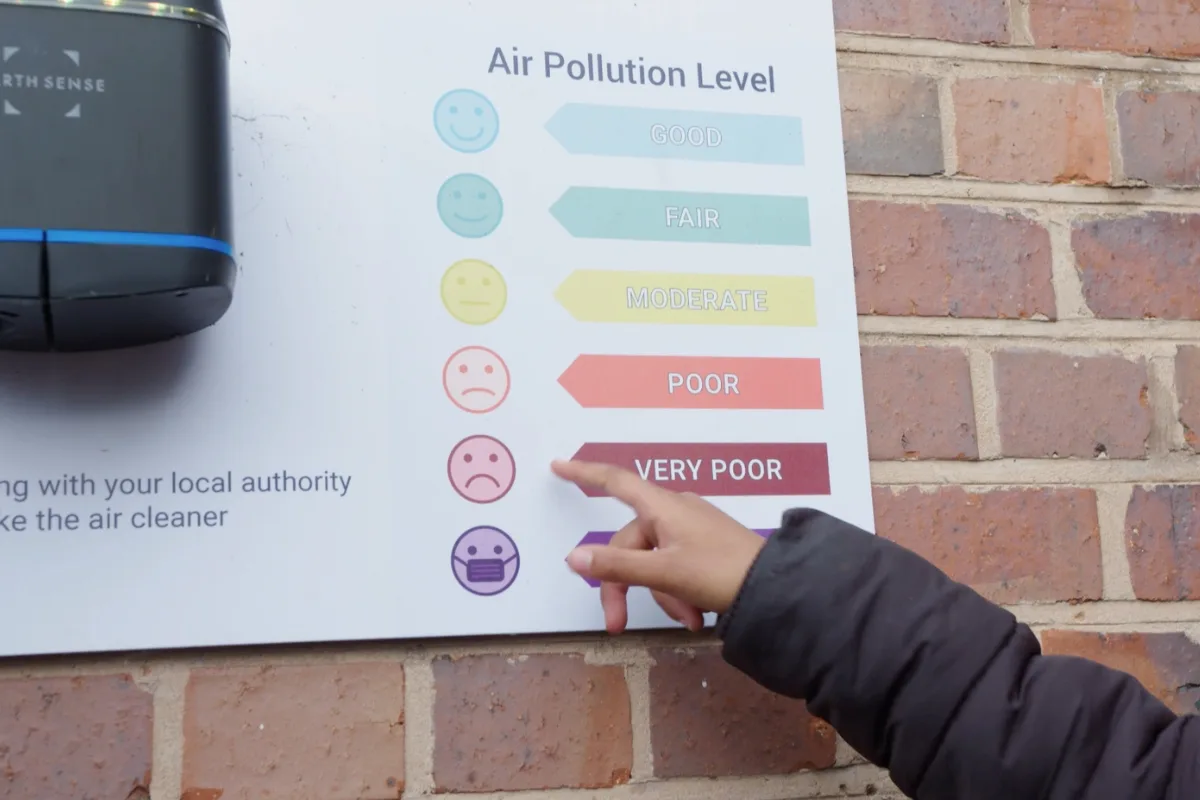
“Last year we put up a pollution air quality monitor on the playground which Birmingham City Council offered. It’s got child-friendly colour coding so they can see how poor the air quality is, and they are obsessed with it,” says Claire Smith, Operations Manager at the school.
They’re always asking me where we can plant more trees, because that’s going to help the air quality.
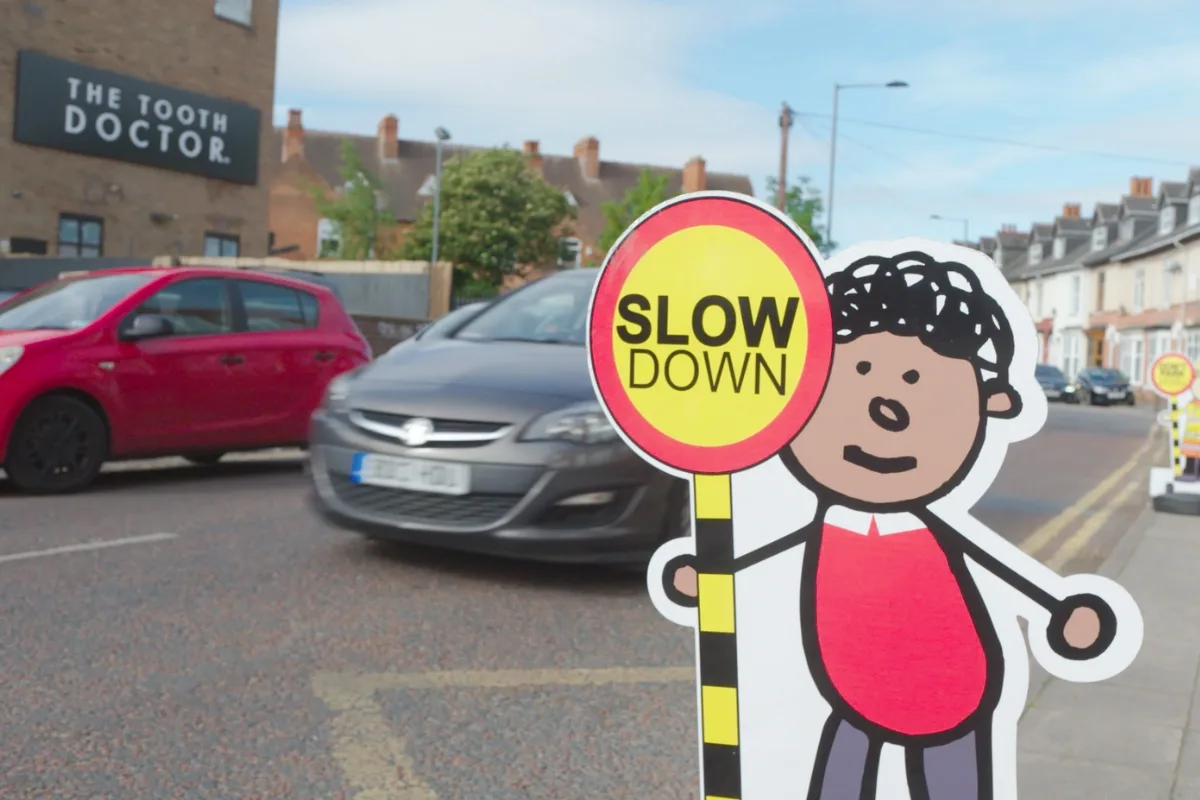
“As soon as it heats up in the summer it’s off the scale because we have so much traffic around us and it’s always at a standstill outside. So they’re always asking me where we can plant more trees, because that’s going to help the air quality.”
 |
 |
|---|
Why does air quality in schools matter?
Poor air quality is seriously damaging health while at school, and it’s sadly an extremely widespread problem. 25,000 schools in Britain – that’s 87% of schools – are in neighbourhoods with air pollution above World Health Organisation guidelines. That’s 12 million children, or 90%, who are affected.
What’s more, 850,000 children (6%) are exposed to air pollution that is more than double the WHO guidelines. Air pollution is now the second leading risk factor for death in children under five in the UK.
What have Ark Tindal done to tackle air pollution?
Engaged by the readings of their air quality monitor, the children sometimes arrange to stand outside the front of the school at drop-off and pick-up times, and prevent the cars from idling outside the school. As part of their Climate School 180 visit, they did an audit of the school and found some strategic places where the right sort of planting could make a difference.
Getting the children involved is crucial. They have a good understanding of the issues, can see and feel the difference between a good and a bad air day. When they first got the air monitor they were panicked, but the teachers report that it made a big difference to engage them in exploring solutions. This way they have agency, and they can design, evaluate and follow a course of action from start to finish, that makes some difference to their site straight away.
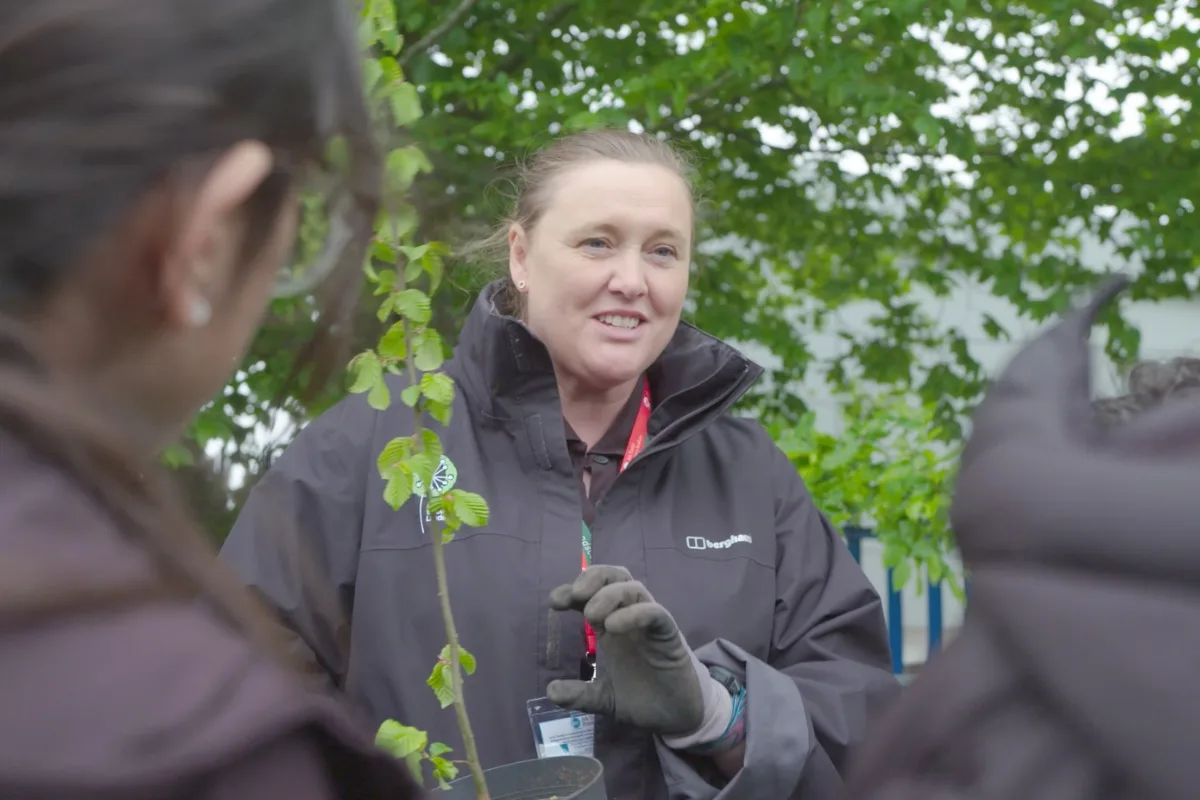
Planting trees: In goes the hornbeam!
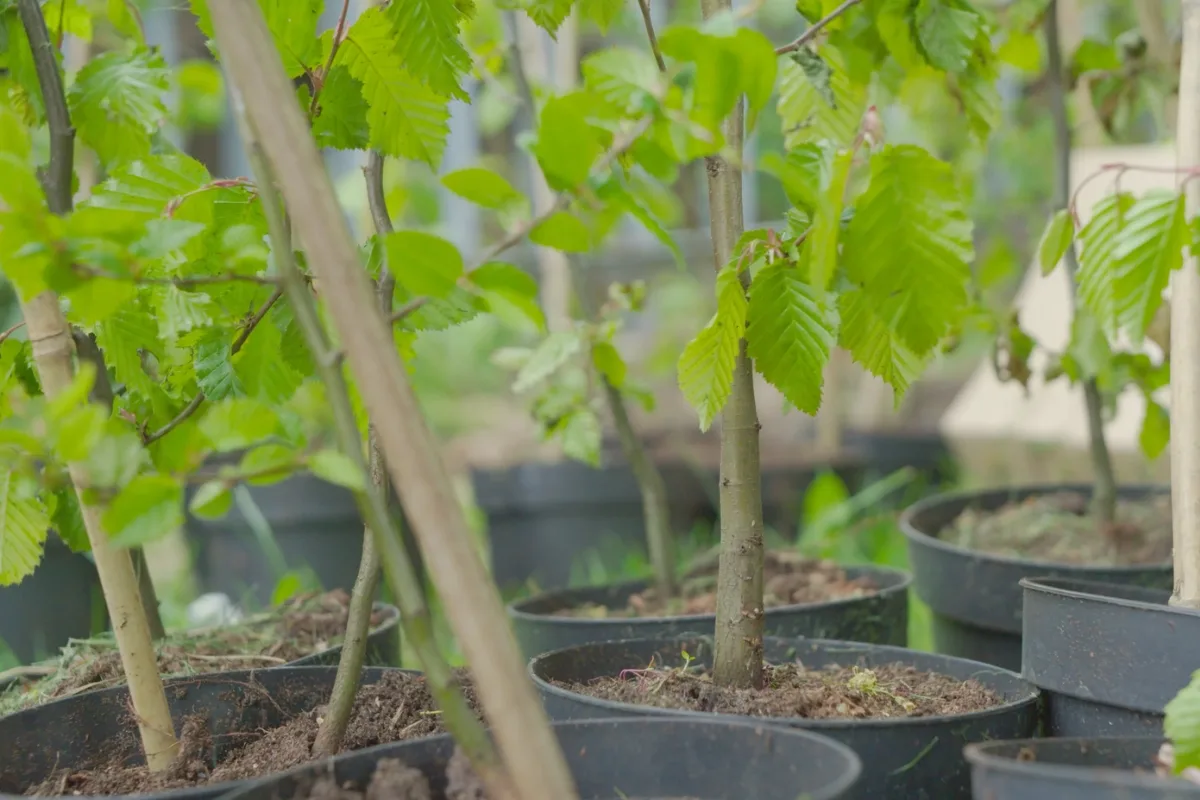
The children learned about hornbeam, which grows into a dense hedge, creating a physical barrier for pollution. Hornbeam’s textured leaves act as a natural air filter, trapping dust and particulate matter. It’s a tree that is highly tolerant tree of air pollution and poor soil quality, making it robust in inner-city spaces. And like all trees, it stores carbon and contributes to cleaning the air.
Climate anxiety is a real thing, isn’t it? But at least if you feel like you are working positively to create what change you can, then that’s obviously hugely beneficial.
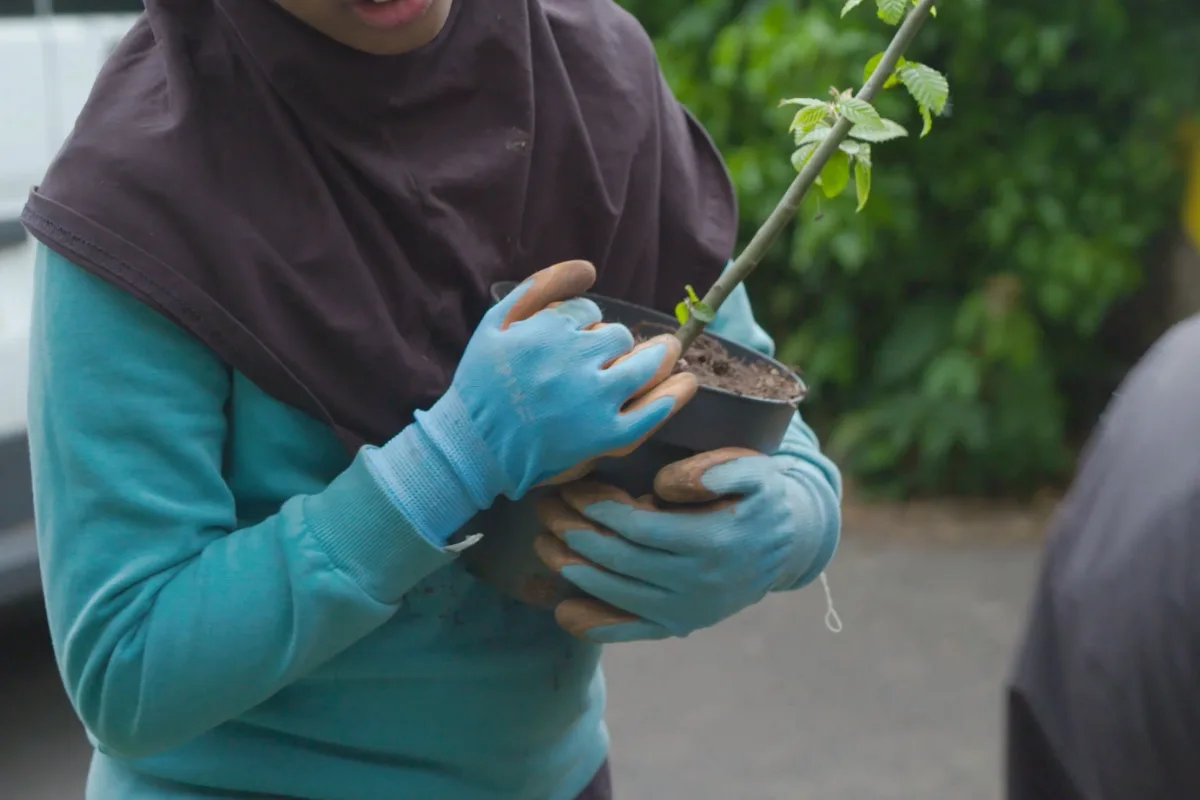
The children chose a space along the fence between the school and the Lidl carpark, and spent an afternoon planting up the hornbeam saplings. They planted 4-5 trees per metre along a 6-7m stretch, discussing greenhouse gasses and carbon capture as they did so.
“Climate anxiety is a real thing, isn’t it?” said Claire Smith. “But at least if you feel like you are working positively to create what change you can, then that’s obviously hugely beneficial.
“Children are resilient, and they have fantastic ideas. So as long as you approach everything in a way that we can make differences at our school level, which might then hopefully filter beyond the school community too, that’s perfect, isn’t it?
“We’re not going to go to COP and make these huge changes, but we can look at what we’re doing at Tindal. All the small things we can do at our level are just fantastic, and the children are so enthusiastic and so committed that it’s incredibly rewarding.”
 |
|
|---|
Is climate change really a priority?
Ark Tindal is a very urban, mixed community in an area of very high deprivation. There is lots of social housing, very high mobility amongst our pupils, and a lot of families who are placed in temporary accommodation in the area and then move on. They have a high percentage of Pupil Premium, around 65% now, and English as an Additional Language, EAL, is around 90%.
“I’ve heard people say you’re privileged if you have the chance to worry about climate change. When there is a lot going in your life, when you’re living in real deprivation, in temporary accommodation, really it’s not on your list of immediate concerns. But I think for our children, it’s really important that they’re educated on it,” says Claire Smith.
“And I think going forward, looking at green careers will bring amazing opportunities for our children that haven’t existed before.”
Thank you to Ark Tindal’s children, Assistant Headteacher Shima Sinha, Head of Early Years Edith Burns, Operations Manager Claire Smith, and Learning through Landscapes’ Delivery Officer Lindsey Hobbs.
Ways to get involved
- We visited schools all over the UK to see the full range of climate challenges they were adapting to. Read the other case studies from schools dealing with heat stress, flooding, high winds, and biodiversity loss.
- Our Climate School 180 project has been adapted to be a self-directed course for teachers. Sign up to our newsletter to hear when the courses are launched.
- You can also use our school grounds climate audit app on its own.
- Ark Tindal was one of our Climate School 180 schools supported by the University of Stirling, who evaluated the process and brought collaborative inquiry and reflection. A deep dive into the thinking behind teaching climate change in this way can be found in the Climate School 180 evaluation report.


Related News
Teaching climate change through making adaptations to school grounds


Why pupils at a South London school are taking action to defend their classrooms from overheating