The children boosting biodiversity in a Northumberland school
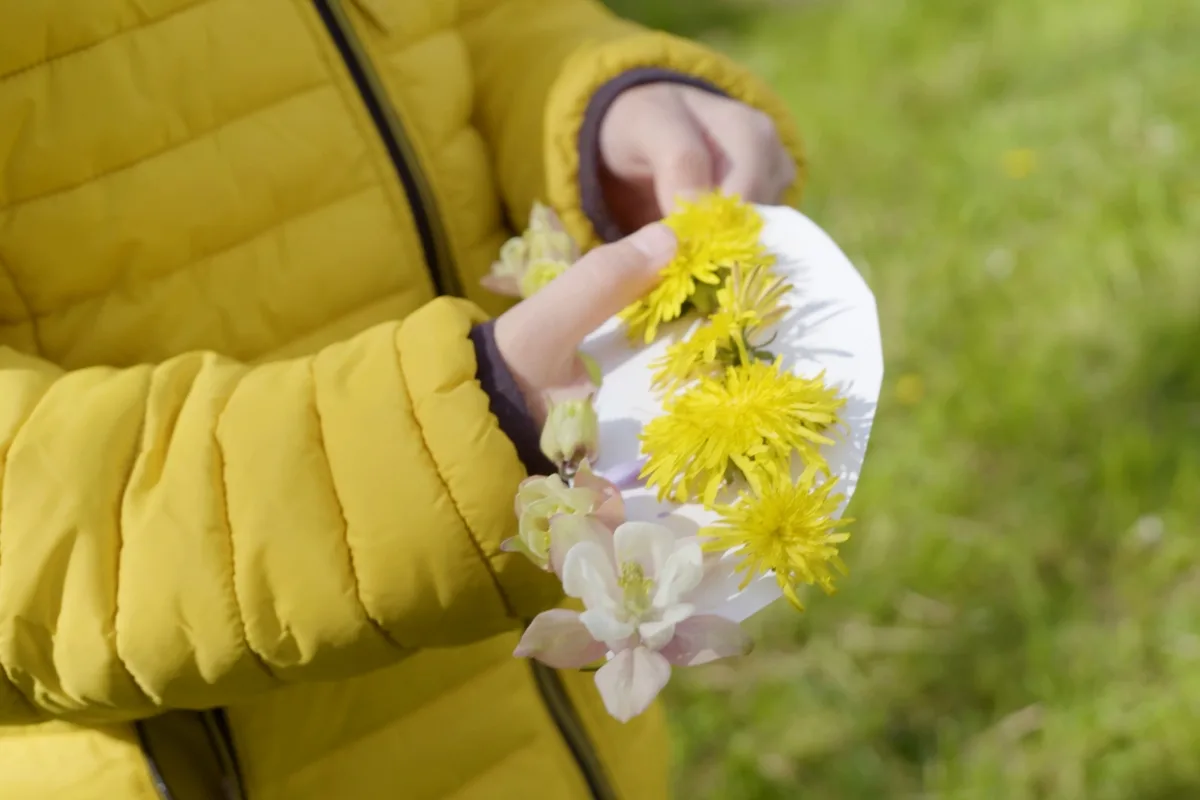
Pupils in Wark C of E Primary School live close to the land; many of them come from farming families.
The school has made it a mission to create outdoor spaces, with a meadow, fruit trees, den-building spaces, a forest school area, and a polytunnel and garden.
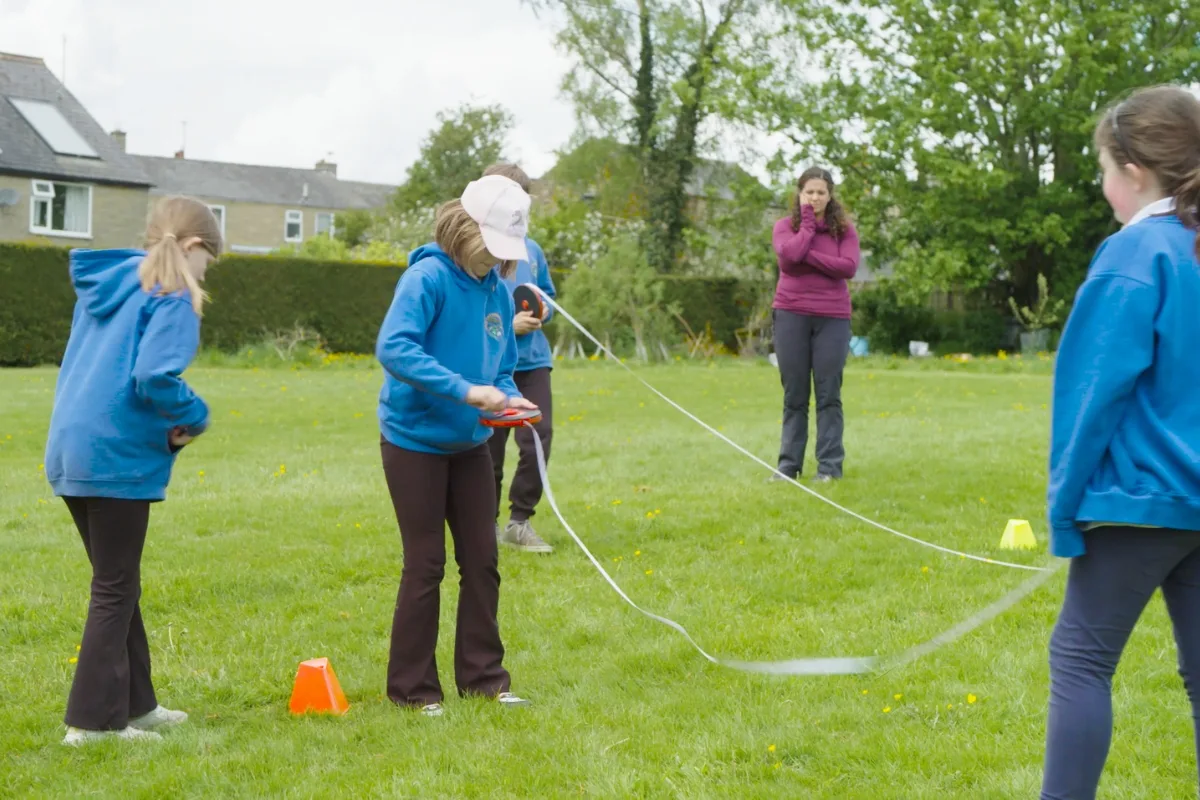
Deputy headteacher Fiona McKay is proud of the difference they’ve made over her 11 years at the school. As part of climate education work with Learning through Landscapes, she says, “We did a ground mapping audit with some of the older children to identify the different areas of school which would be affected by climate change, so flood-prone areas, and places without shade.
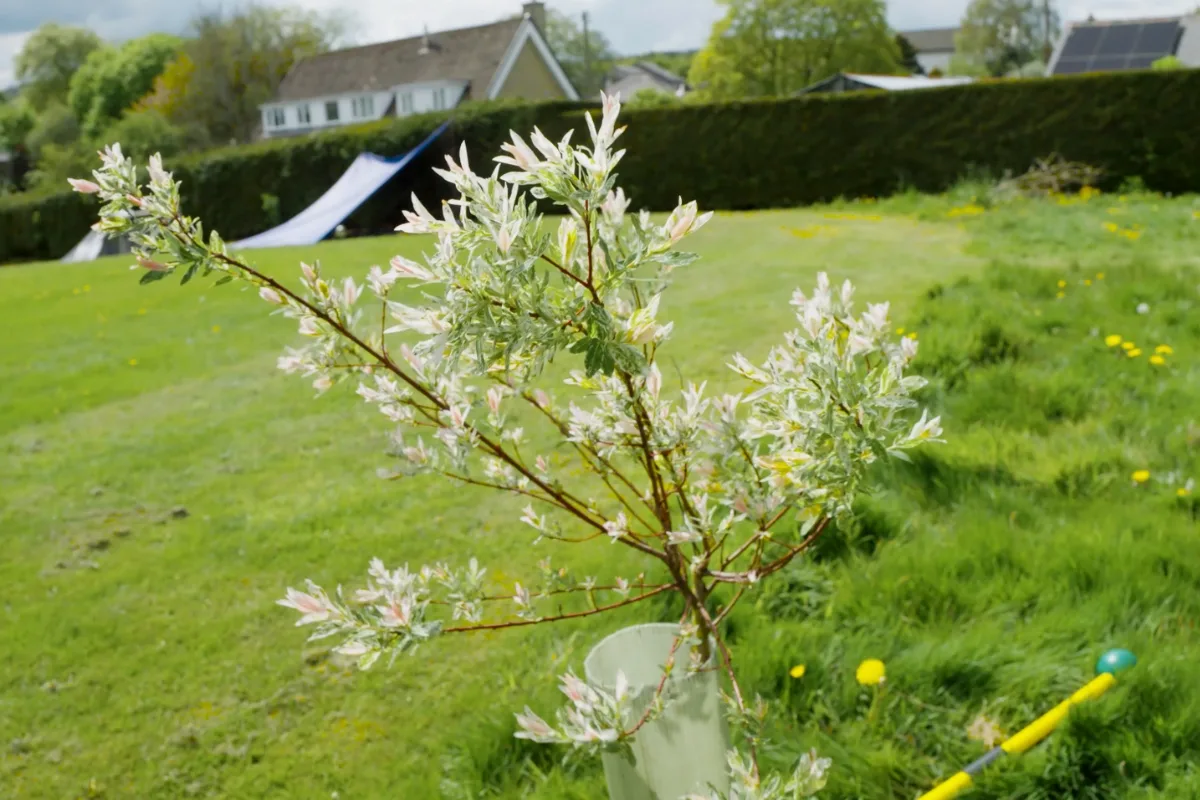
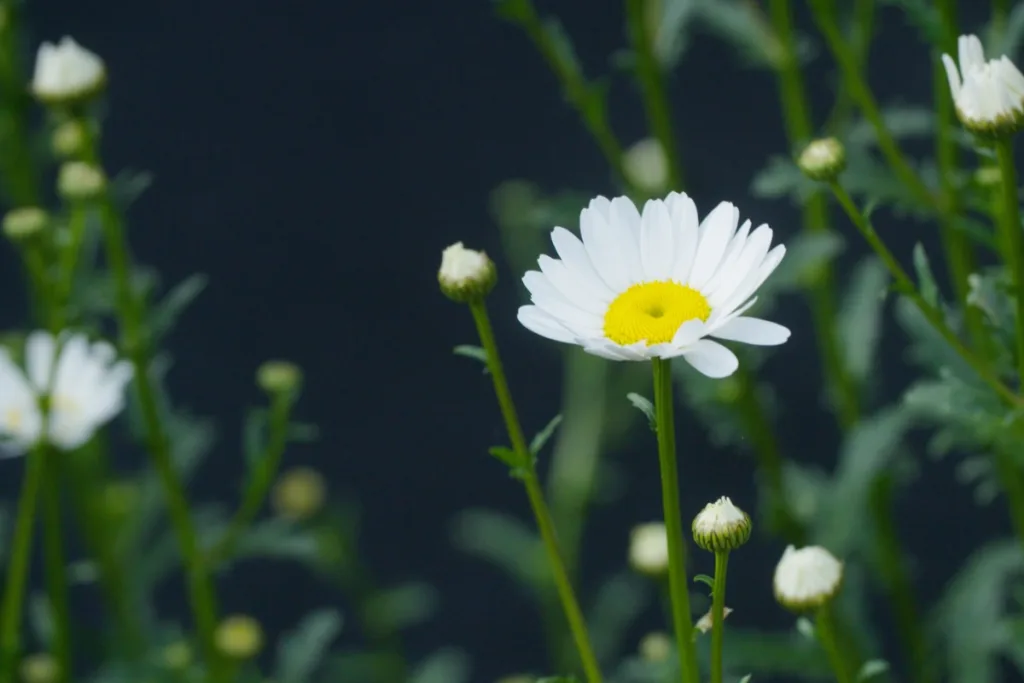
“Once we found those different areas, we looked at how we could adapt them. So for example, for the heat, we’ve planted trees to create shade in the long term to try and promote diversity. We’ve planted new hedgerows to attract different bird species. We’ve ensured that when we are letting wild areas grow, that we’re introducing wildflowers to promote that biodiversity in flowers as well.”
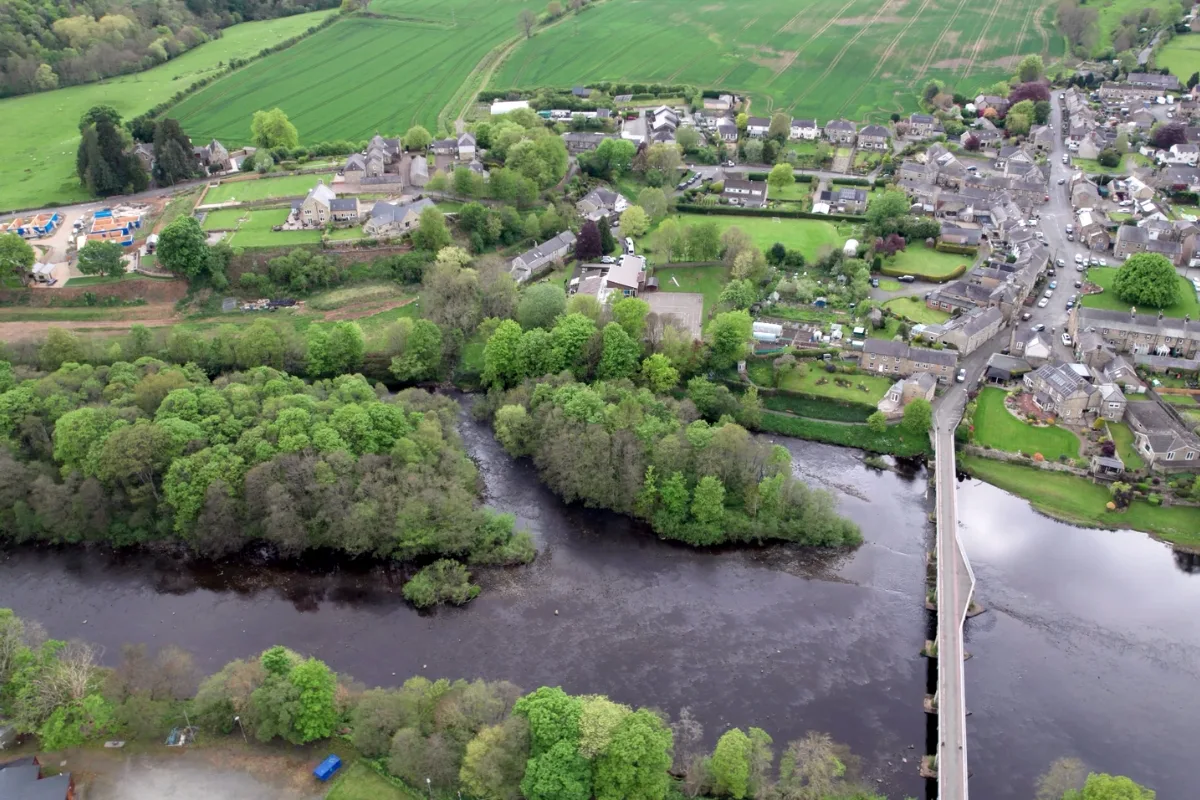
Why does biodiversity in school grounds matter?
The UK is one of the most nature-depleted countries in the world. Roughly 1 in 6 species of plant and animal are threatened with extinction, and the UK retains only 50-53% of its original biodiversity. A single school might feel like a small space when considering a nationwide problem, but schools grounds cover a combined space the size of Cardiff, Belfast, Birmingham and Glasgow put together – that’s 61,000 hectares.
Traditional school grounds are not biodiverse at all – 84% of UK school grounds are hard surfacing or maintained grass. As well as being poor for species these surfaces are no good for mitigating a changing climate, and west Northumberland is seeing its share of change.
And coming full circle, erratic weather is itself no good for biodiversity, disrupting life cycles, destroying habitats, and causing interconnected food webs to collapse.
Shed roofs blowing across the playground
Fiona McKay explained the climate change effects that the school has been subject to: “Higher winds, more storms. We often have the taxis turning up late in the winter now because branches are down on the road. We’ve had episodes where shed roofs have been blown off, and can be seen blowing across the playground. It feels like we’re getting more rainfall as well. In the summer, the sun is getting very hot.”
We’ve had episodes where shed roofs have been blown off.
Schools are required to teach their pupils about climate change and biodiversity loss, which are scary subjects. Engaging children in making a real visible (and edible!) difference in their own grounds allows them to be active in finding solutions. And as future farmers, what they’re learning will be of benefit to their businesses too.
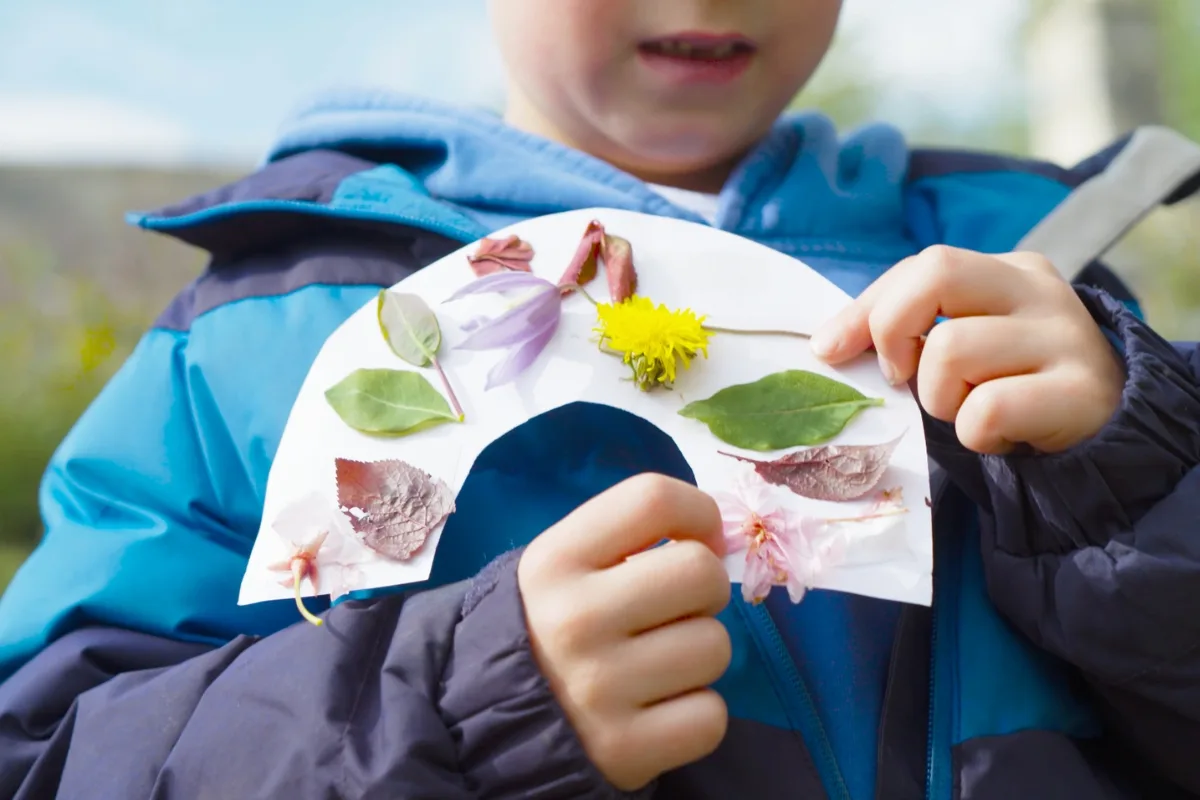
It all begins with mapping what you’ve got
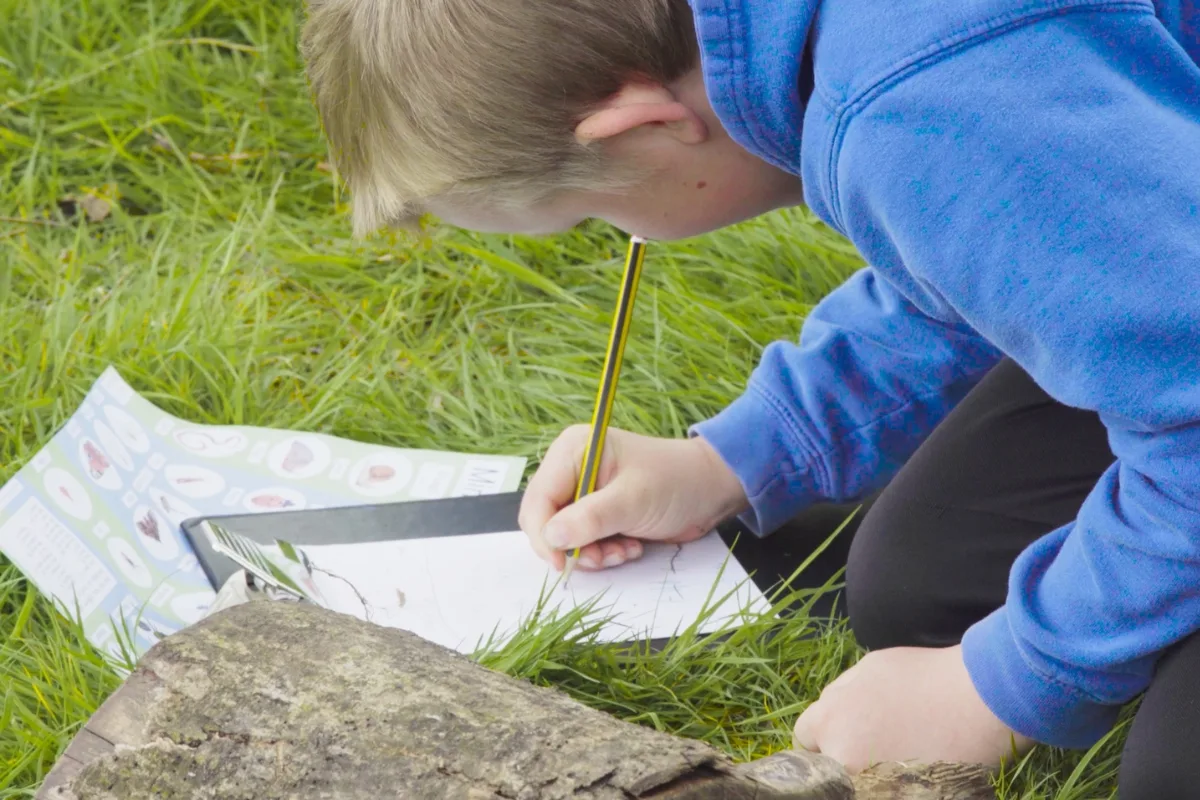
For Wark school, auditing the school grounds was an important starting place. Fiona says:
“It’s a huge global issue, but for the children, that’s a little bit abstract maybe. So part of the mapping was bringing it closer to the children so they really understand how it affects them and what changes they can actually do for climate change. Small steps which will make big impacts for them in their context.”
 |
 |
|---|
“As part of the mapping we found an area that was prone to flooding and was very muddy in the wintertime, so we planted some willow arches for the children to engage in open-ended play, but also provide more shelter in the winter. They mapped that area, they saw that risk and they saw that they were able to do something about that.
“So they were part of that planning, they were part of the planting of the willows. It was led by them and they can see the change from that, and utilise the space for play as well.”
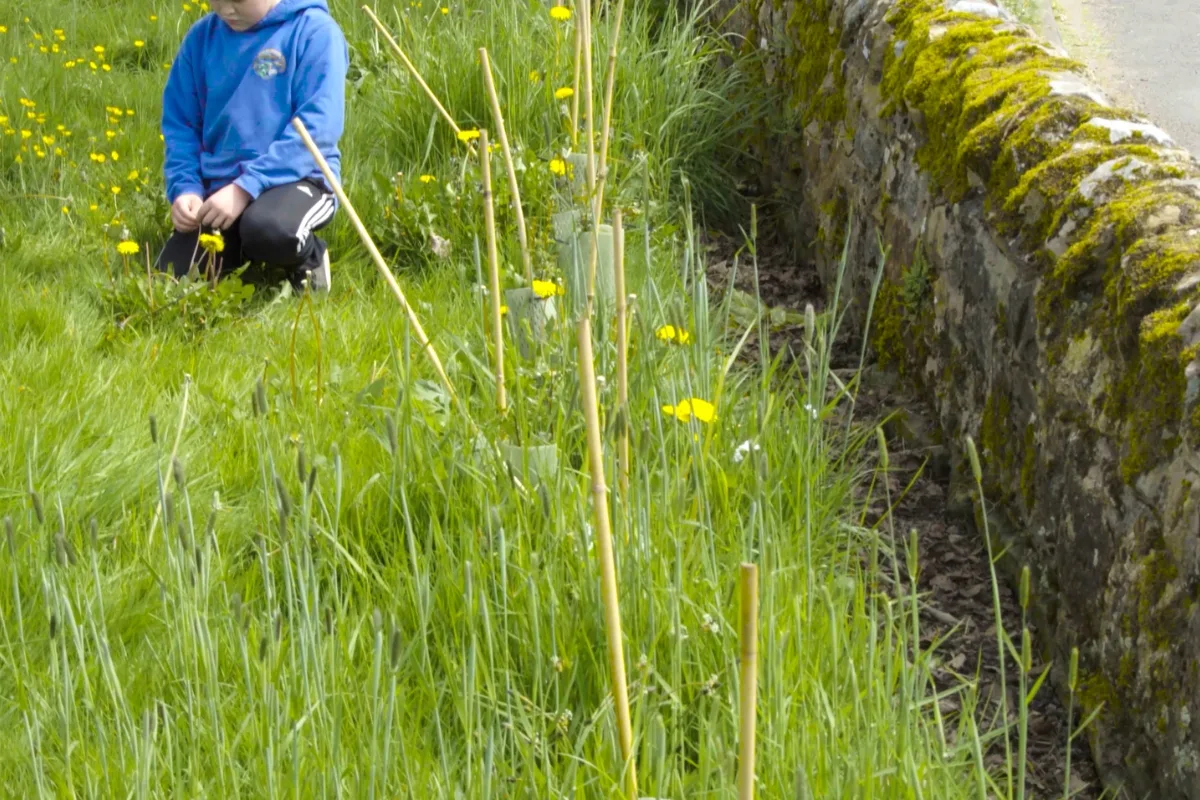
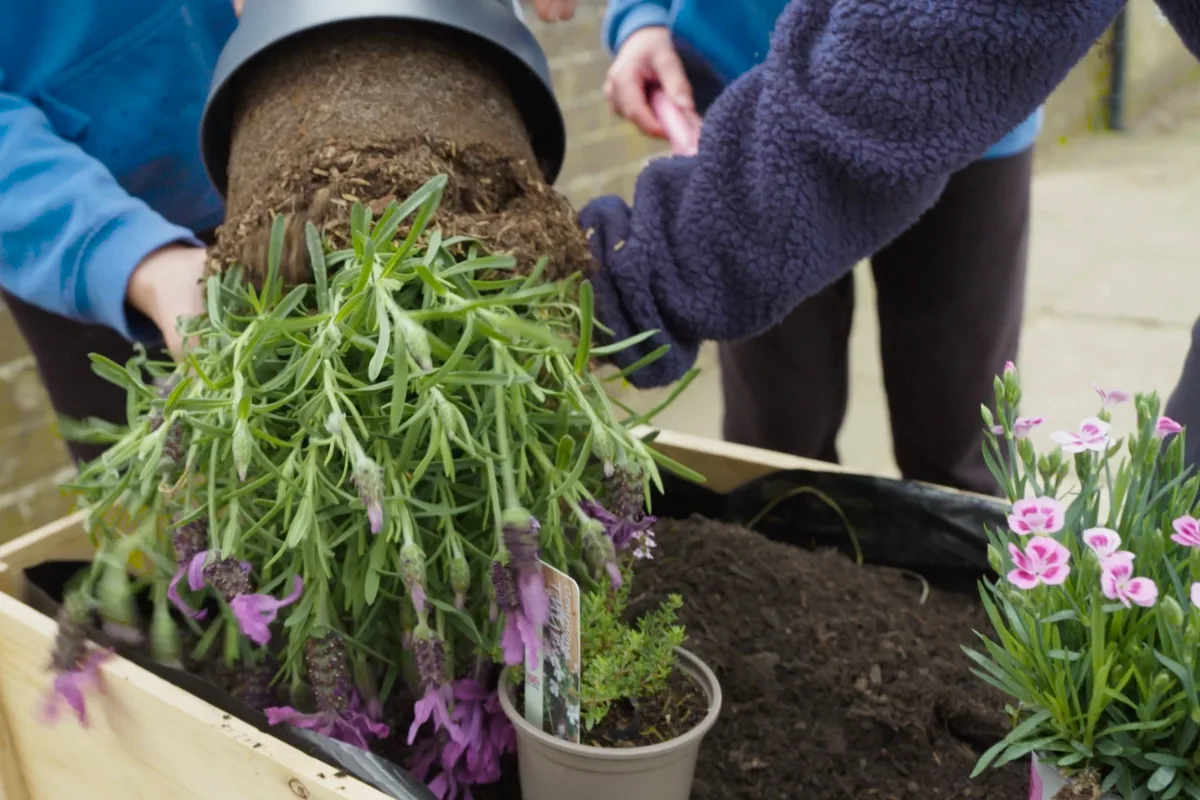
They also identified a lack of different colours amongst the plants on site. “So we decided as a school with the children that we would introduce more colour. That led to our project at the moment, where we’re planting wildflower seeds. We bought some planters for the yard, and spring/autumn flowering heathers, and some lavender to attract pollinators as well.”
Small steps which will make big impacts for them in their context.
 |
 |
|---|
Involving the community
Teaching climate change in this way that is participatory and responsive to place lends itself well to involving the wider community. Wark school did just this, holding a community planting day to replace a hedge. Some of the parents work for the Forestry Commission and donated trees.
“It was a beautiful, bright blue November morning. And the whole time we’re talking about why we’re doing it, why we’re planting the hedgerows for the future, the diversity of wildlife that can use the hedgerow, how we’re trying to mitigate the fumes from the cars, all that in discussion with the children.”
Thank you to the children at Wark C of E Primary School, Deputy Headteacher Fiona McKay, and Delivery Officer Claire Abercrombie from LtL.
Ways to get involved
- We visited schools all over the UK to see the full range of climate challenges they were adapting to. Read the other case studies from schools dealing with heat stress, high winds, flooding, and poor air quality.
- Our Climate School 180 project has been adapted to be a self-directed course for teachers. Sign up to our newsletter to hear when the courses are launched.
- You can also use our school grounds climate audit app on its own.
- Wark was one of our Climate School 180 schools supported by the University of Stirling, who evaluated the process and brought collaborative inquiry and reflection. A deep dive into the thinking behind teaching climate change in this way can be found in the Climate School 180 evaluation report.


Related News
Teaching climate change through making adaptations to school grounds


Why pupils at a South London school are taking action to defend their classrooms from overheating