Climate
From heat stress to poor air quality, schools everywhere are facing real challenges due to climate change. On this page, discover guidance, tools, lesson ideas, and case studies to help you address climate challenges in your school grounds.
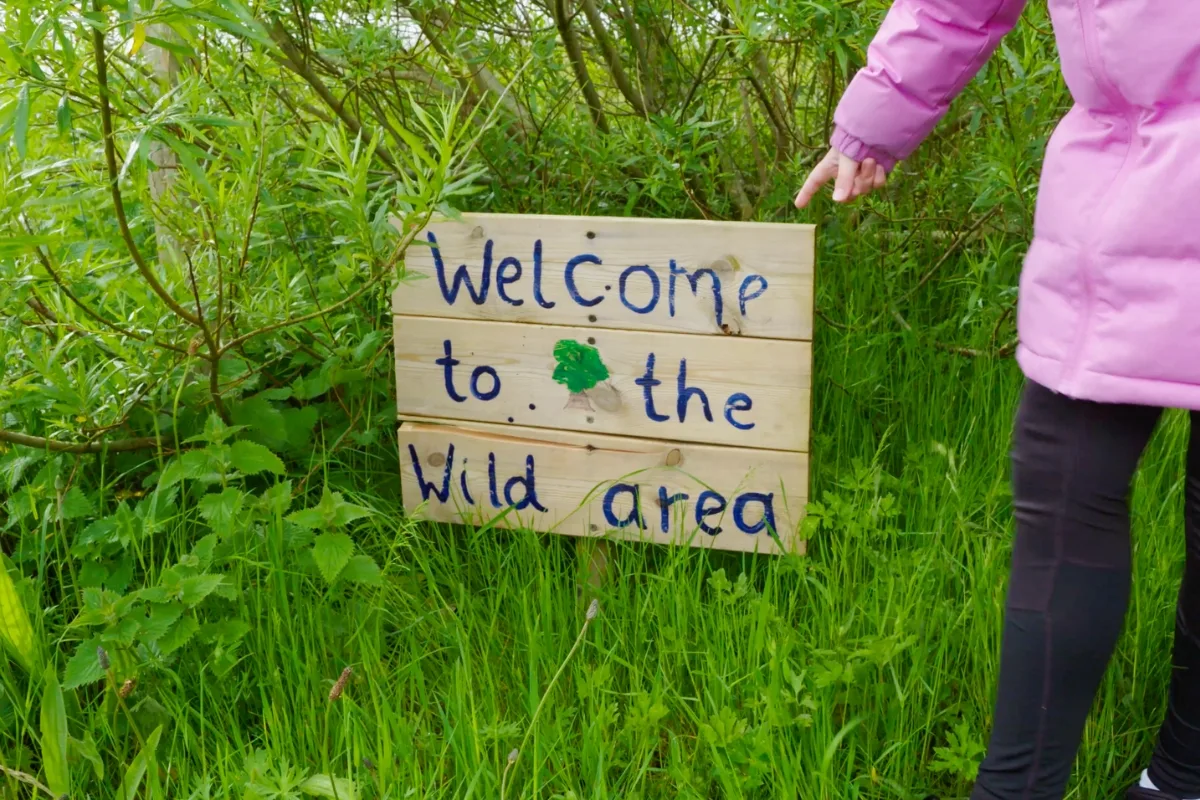
Climate change is having visible effects here and now. Children are anxious about it, and schools are required to teach about it.
Whether due to extreme weather events, biodiversity loss, or pollution, every school is facing a real-life climate challenge in their own grounds. Teaching climate change in a practical, positive way allows children to be part of their local solution. This is good for their school grounds and for their mental health. It can also include the community, the school’s curriculum, and teach about future jobs in climate resilience.
Get guidance on how and why to teach this way, an online audit tool to identify what your school needs, outdoor lesson ideas, and case studies to see how others are adapting to the impacts of climate change in their school grounds.
Case studies
Find out how other schools have dealt with heat, rain, wind, poor air quality, and biodiversity loss in the school grounds.
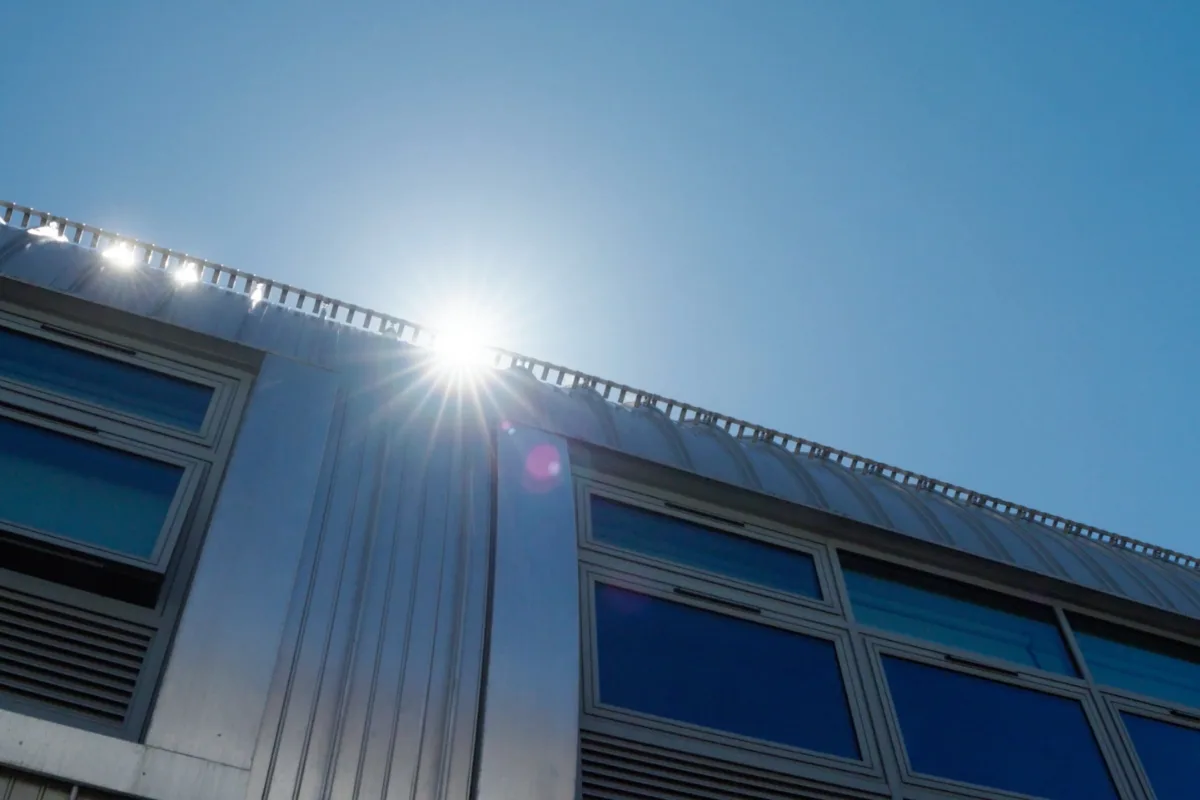
Why pupils at a South London school are taking action to defend their classrooms from overheating
Climate change is causing hotter summers than ever before. The pupils of Wallington Girls’ School, Croydon, are getting involved with bamboo to mitigate their heat stress.

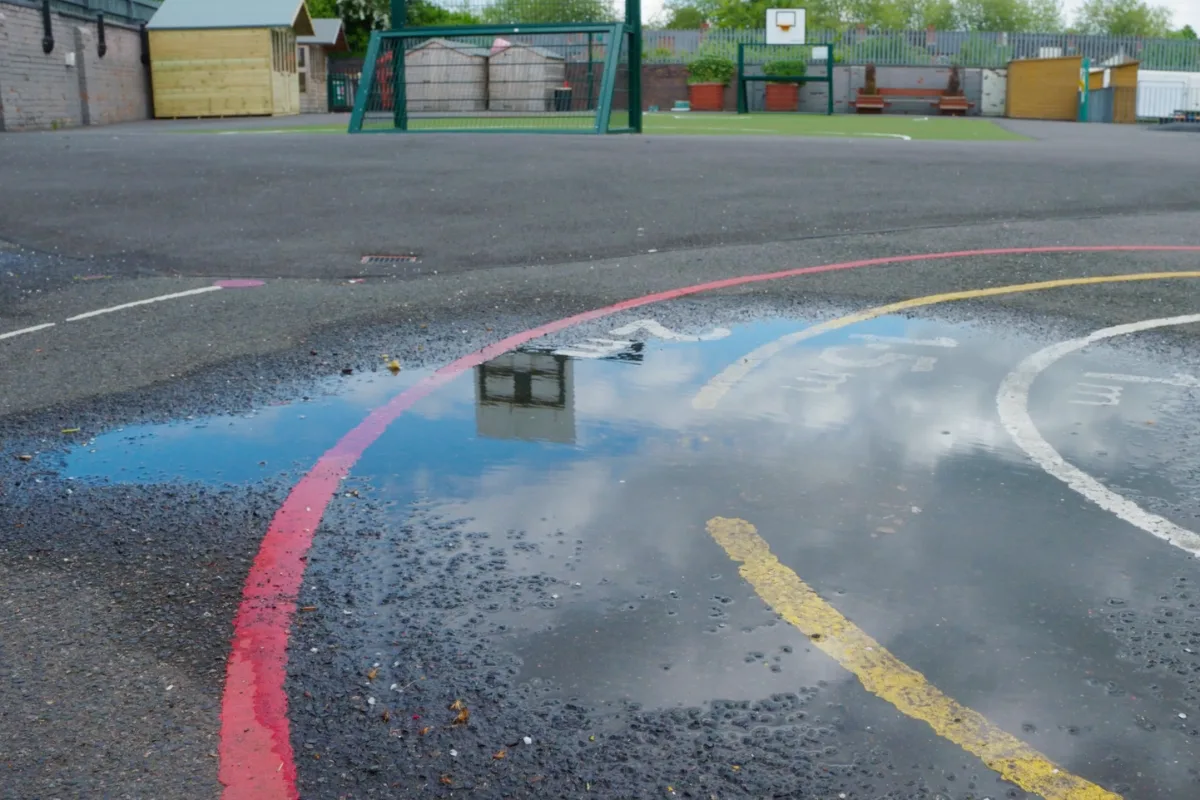
Turning a flooded playground in Walsall into a much-loved school pond
65% of schools are at medium-high risk of flooding, but even modest water management systems can make a big difference. Especially when the children are involved, and the outcome is a calming ecosystem at the heart of an urban school.

The Scottish island children planting trees to create a sheltered place to play
The old Balivanich Primary School on the Isle of Benbecula was condemned after sea surges broke through the windows and flooded the school. The children planted a tree per child, for a wind buffer and sheltered play space.
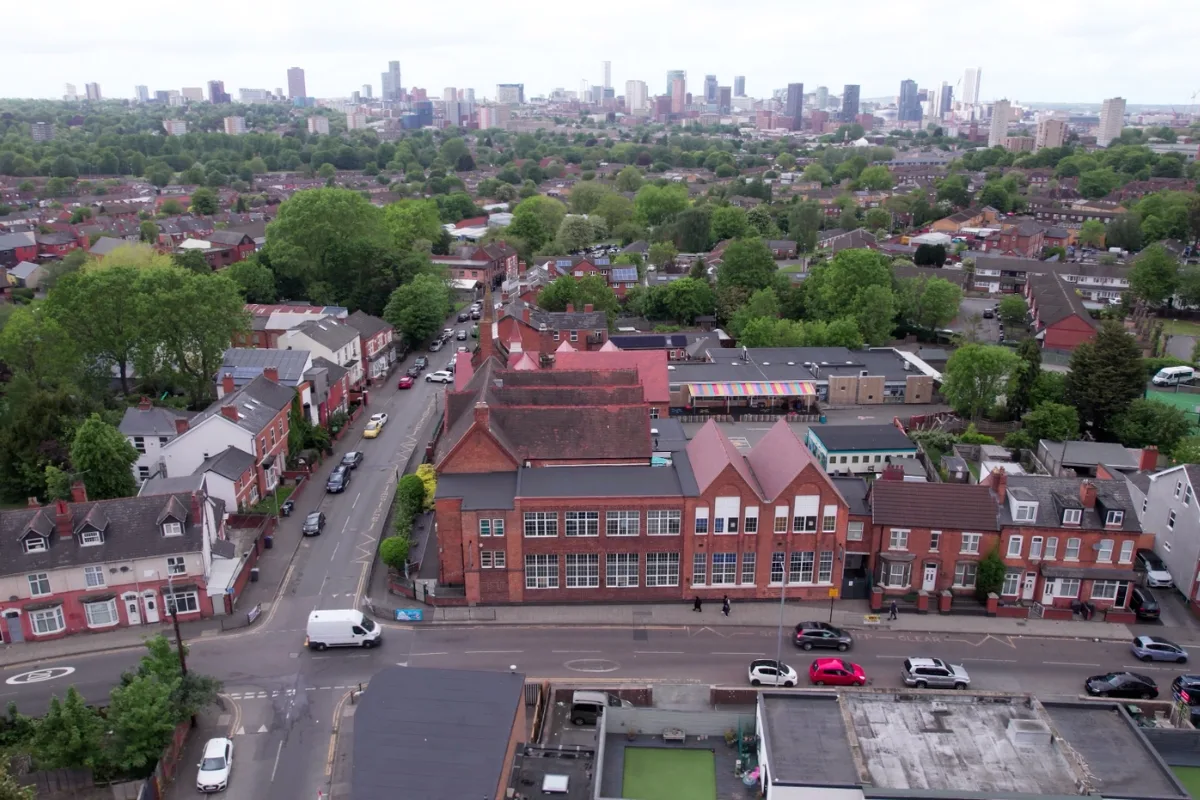
How pupils at a Birmingham school are fighting air pollution in the playground
Mitigating and adapting to air pollution and managing carbon at Ark Tindal Primary Academy, Balsall Heath, Birmingham

The children boosting biodiversity in a Northumberland school
British wildlife is struggling, but schools can make themselves friendly to flora and fauna, and in the process show children how adaptations close to home can make a difference.
Lesson ideas
Download outdoor lesson ideas to help you to teach about climate change in the school grounds.

Exploring Litter


Climate Change Dodgeball

Decomposition Rates Game

Weather Predictions

Reduce Reuse Recycle Relay

How Hot is it Here?

Where is all the water?
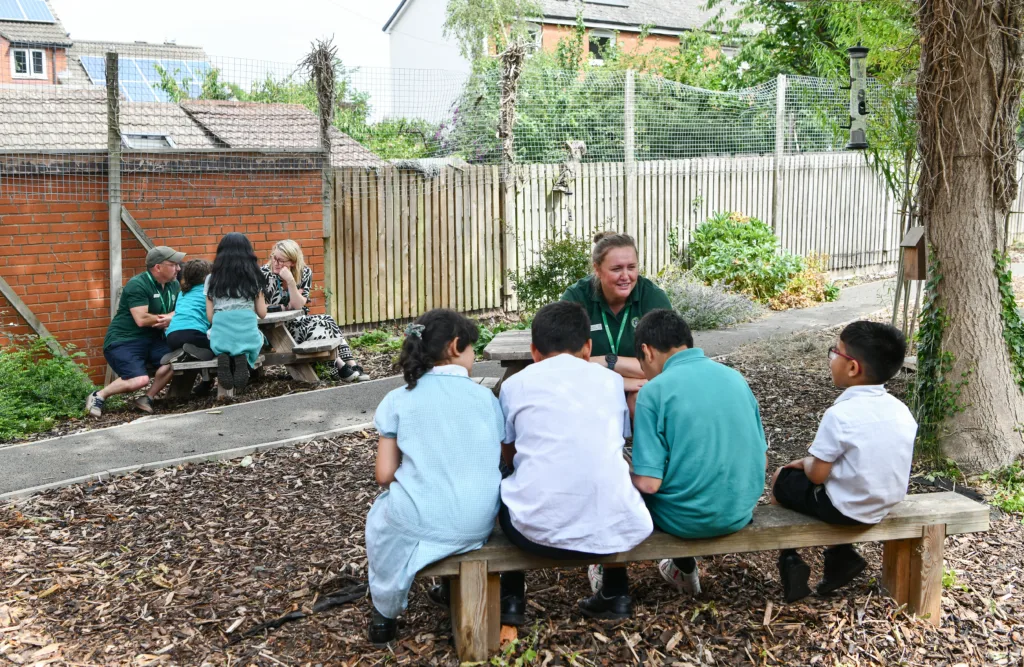
Would you rather?
Guidance
Understand why and how to teach climate change through your school grounds. These guides explain how to involve pupils and the wider school community, and help you work out which climate challenge to tackle.
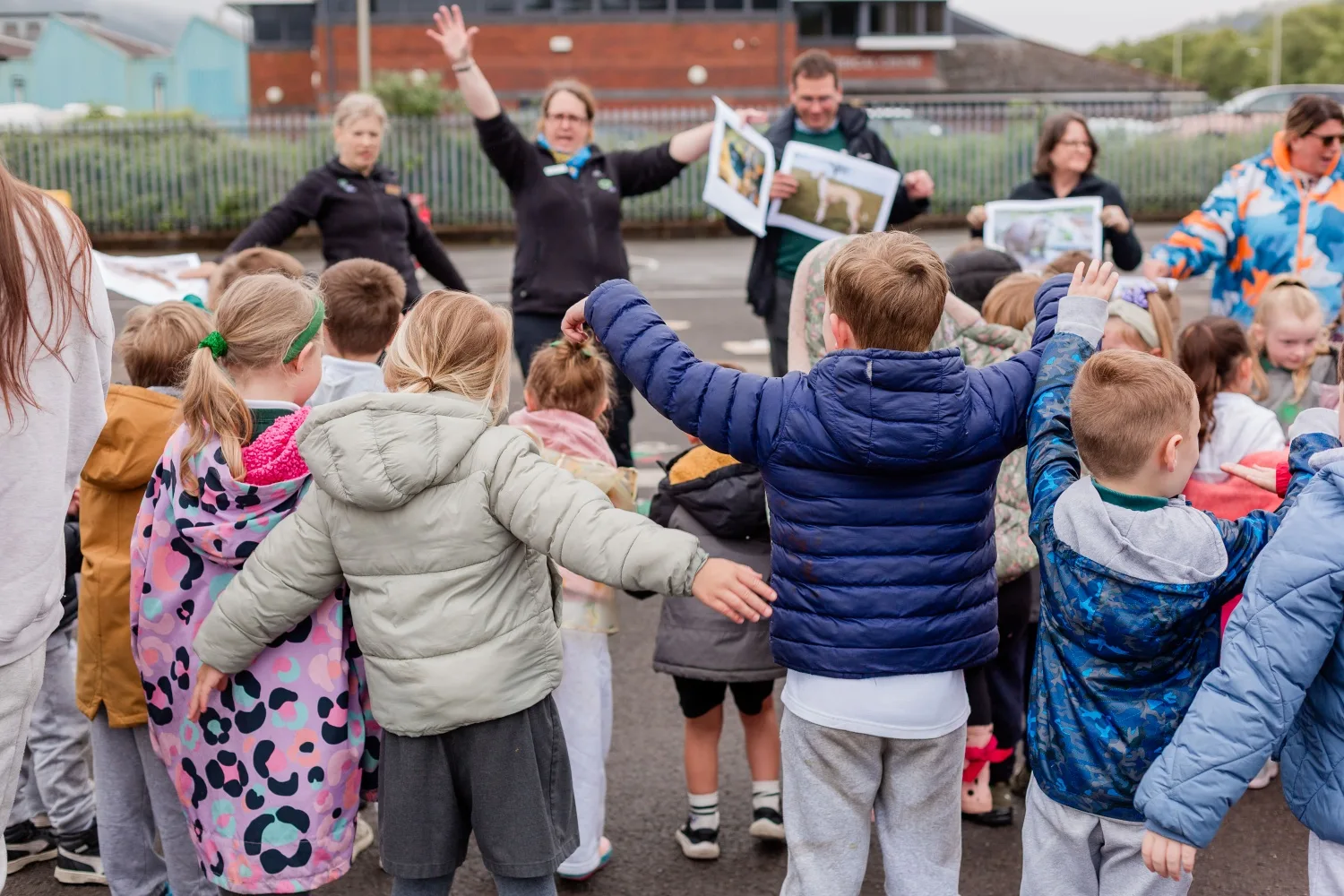
Engaging your pupils from start to finish (England)
We encourage schools, and those who work with them, to use a process of change for any developments they might make to their grounds, policy, or practice. We suggest that you use this simple process to ensure a logical progression.
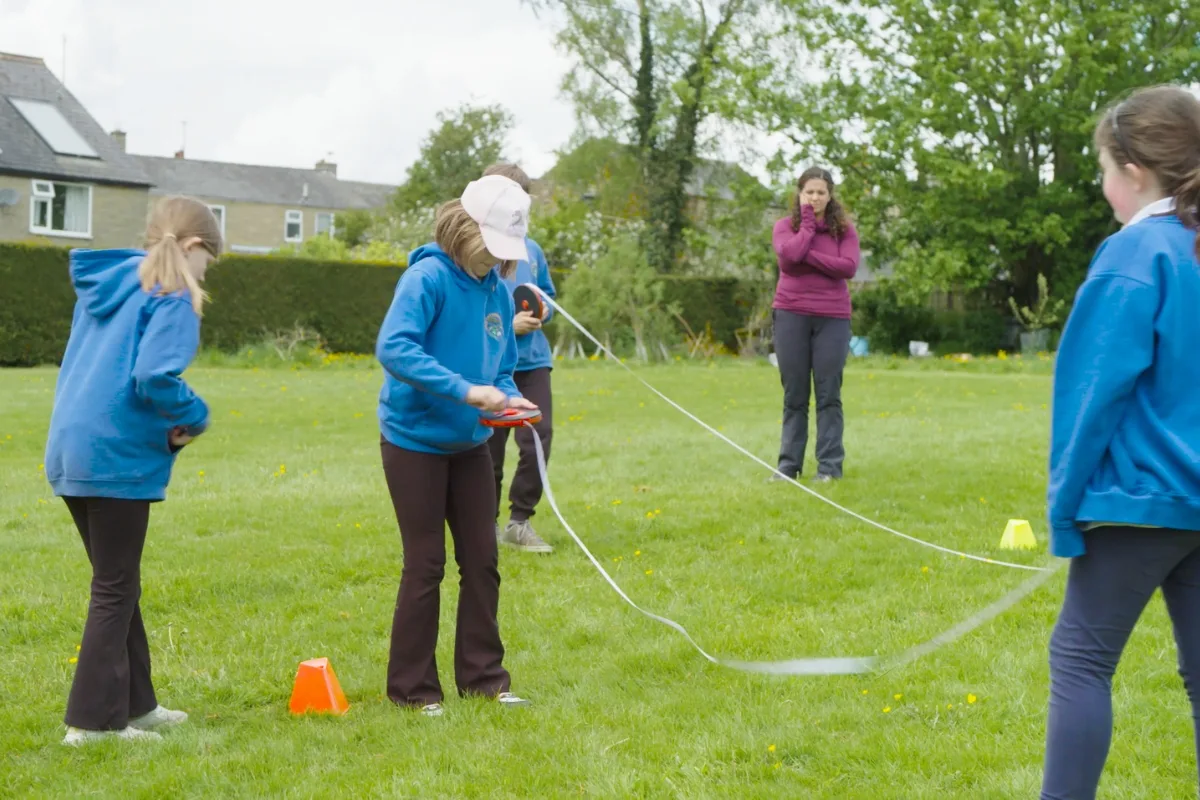
Engaging your pupils from start to finish (Scotland/Wales/NI)
The same guidance, adapted for schools in Scotland, Wales, and Northern Ireland.
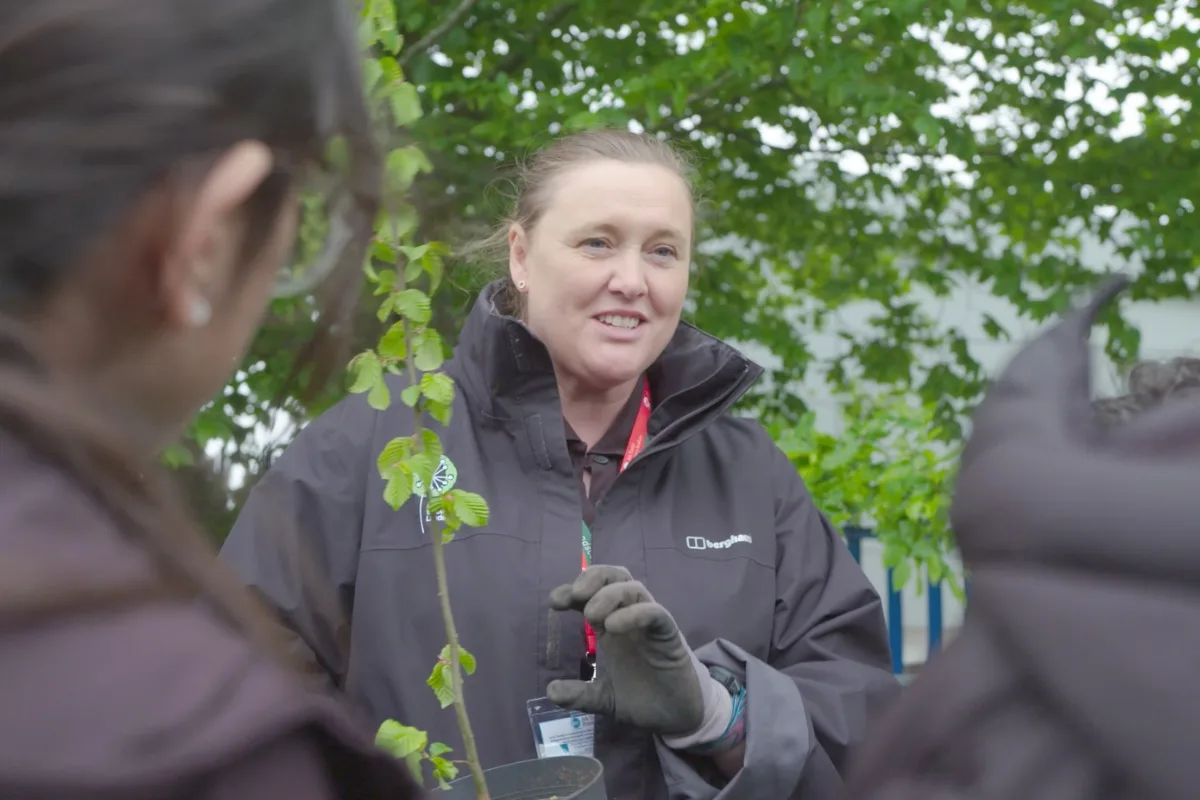
Policy and practice options
This document will provide you with a range of actions and ideas to connect your policy and practice across climate adaptation and climate education.
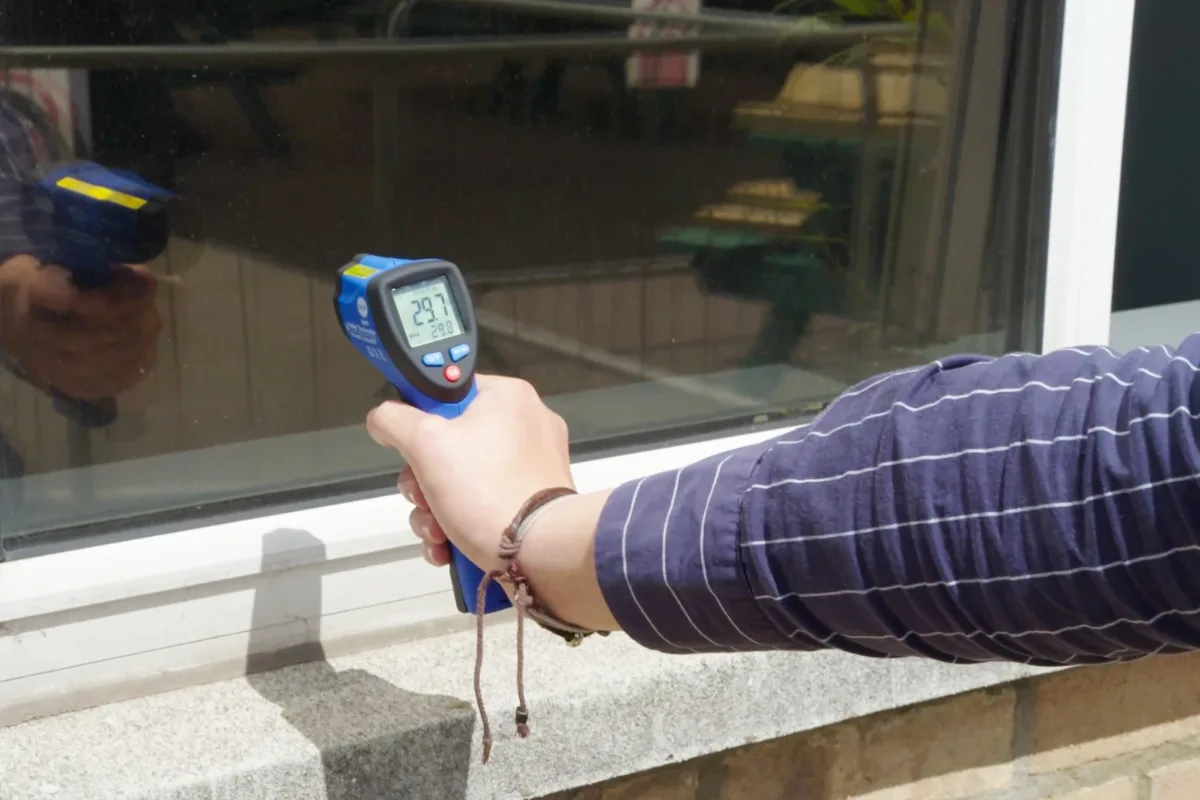
Temperature management introduction
This guidance document provides an overview of how your school grounds can be part of your strategy to help you manage the temperature of your grounds and for some buildings.
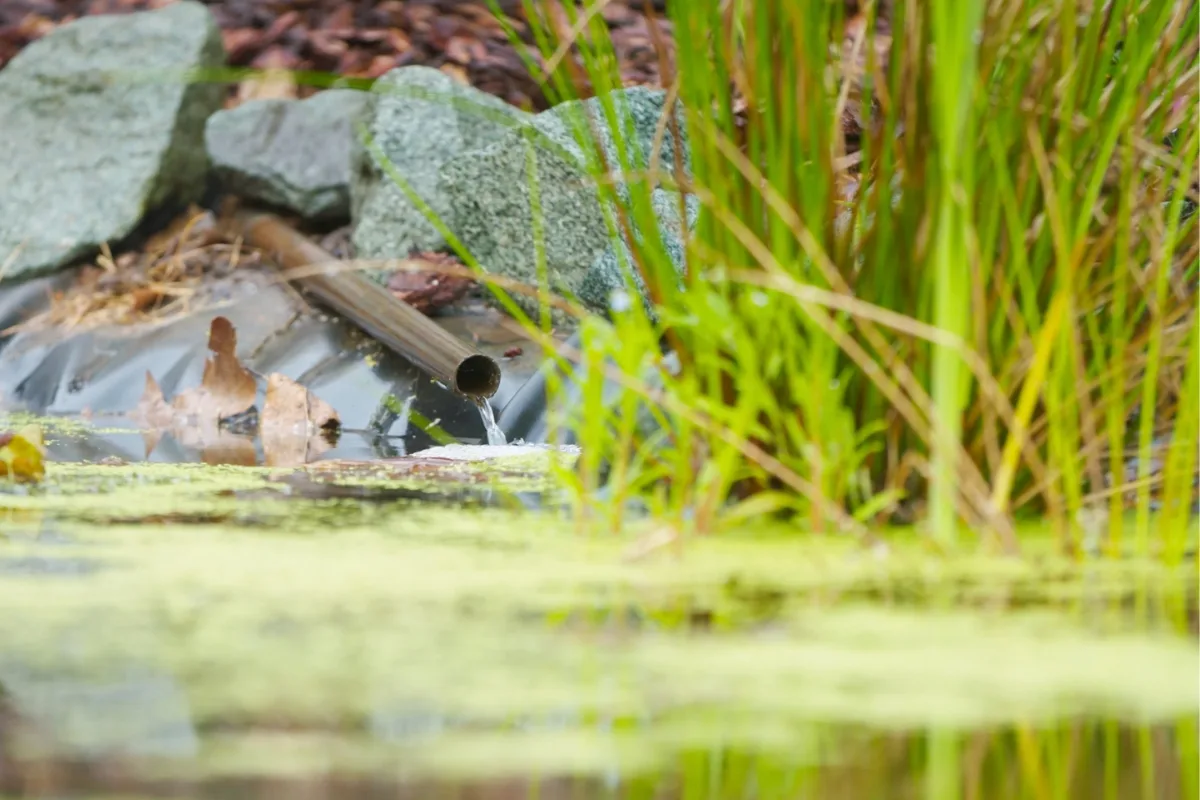
Water management introduction
This guidance document provides an overview of how your school ground can be part of your strategy to manage water on site and ends with links to the relevant ‘how to’ guides to help you make an impact.
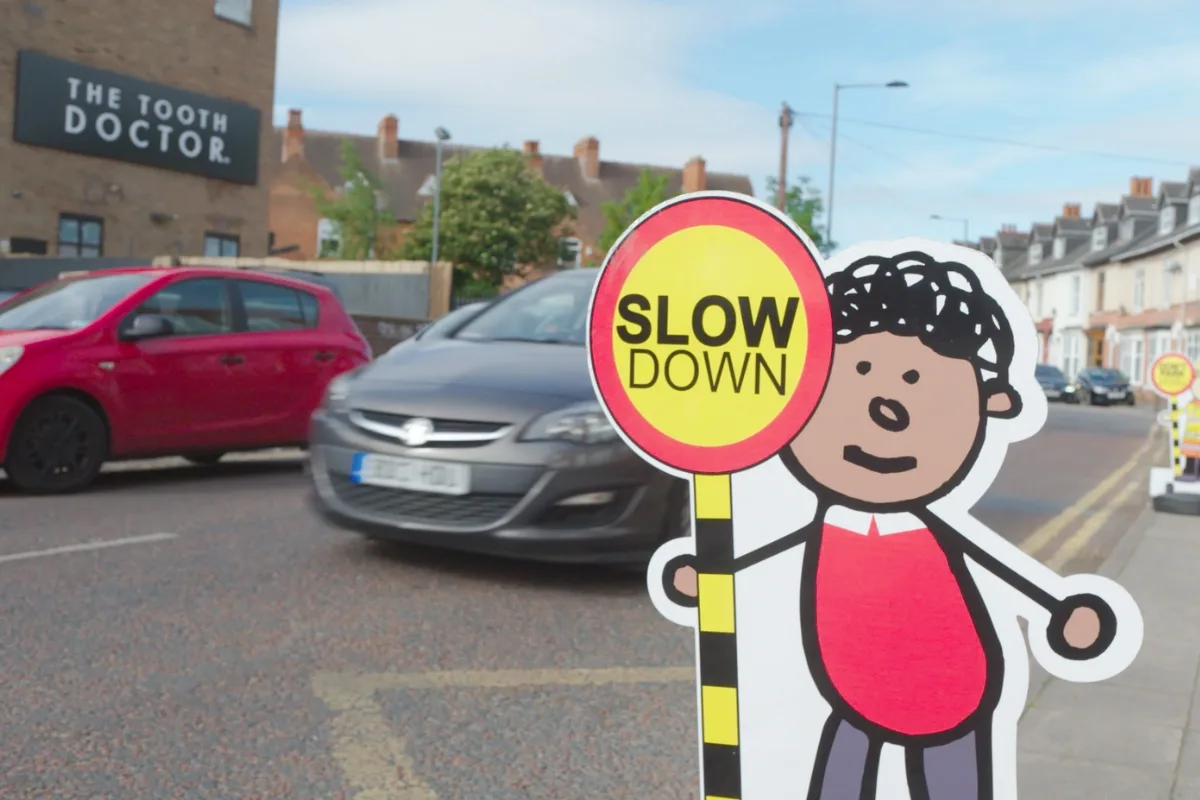
Air quality introduction
This guidance document provides an overview of the problem of air pollution and how your school grounds can be part of your strategy to manage air quality across your school site and buildings.
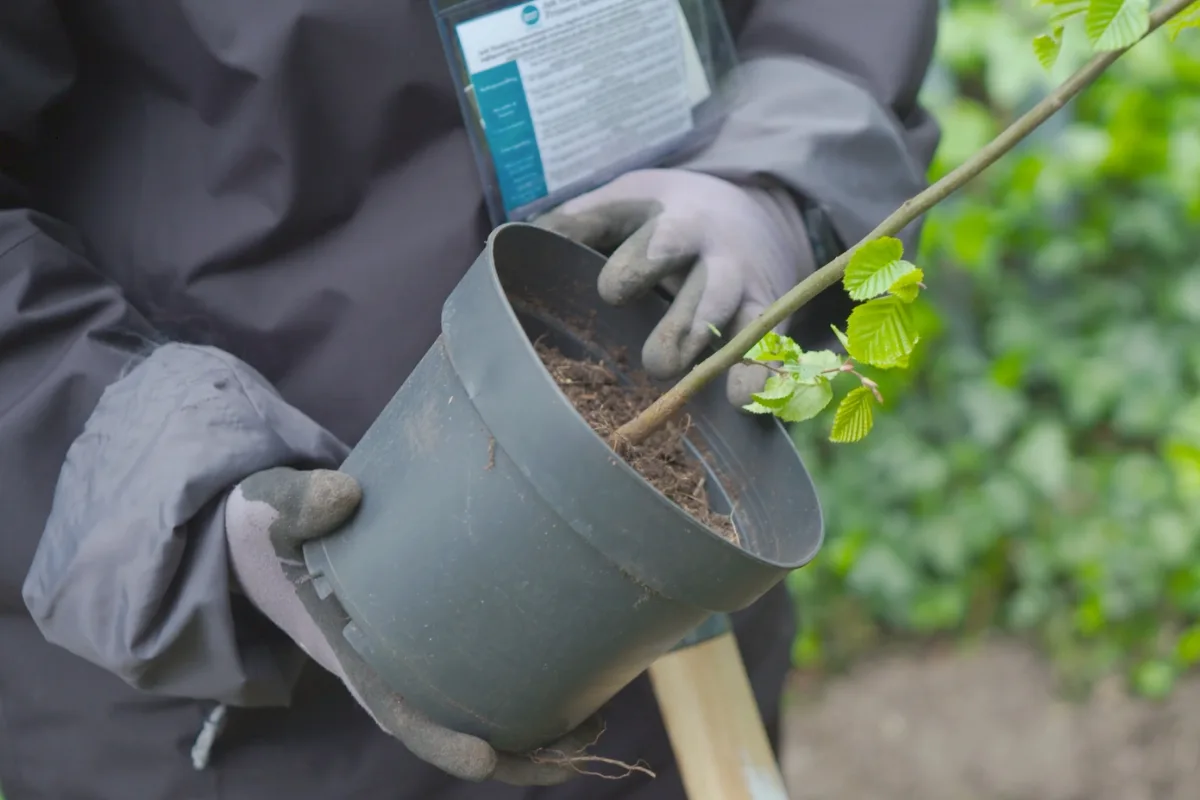
Carbon management introduction
This guidance document provides an overview of how your school grounds can be part of your strategy to manage carbon emissions.
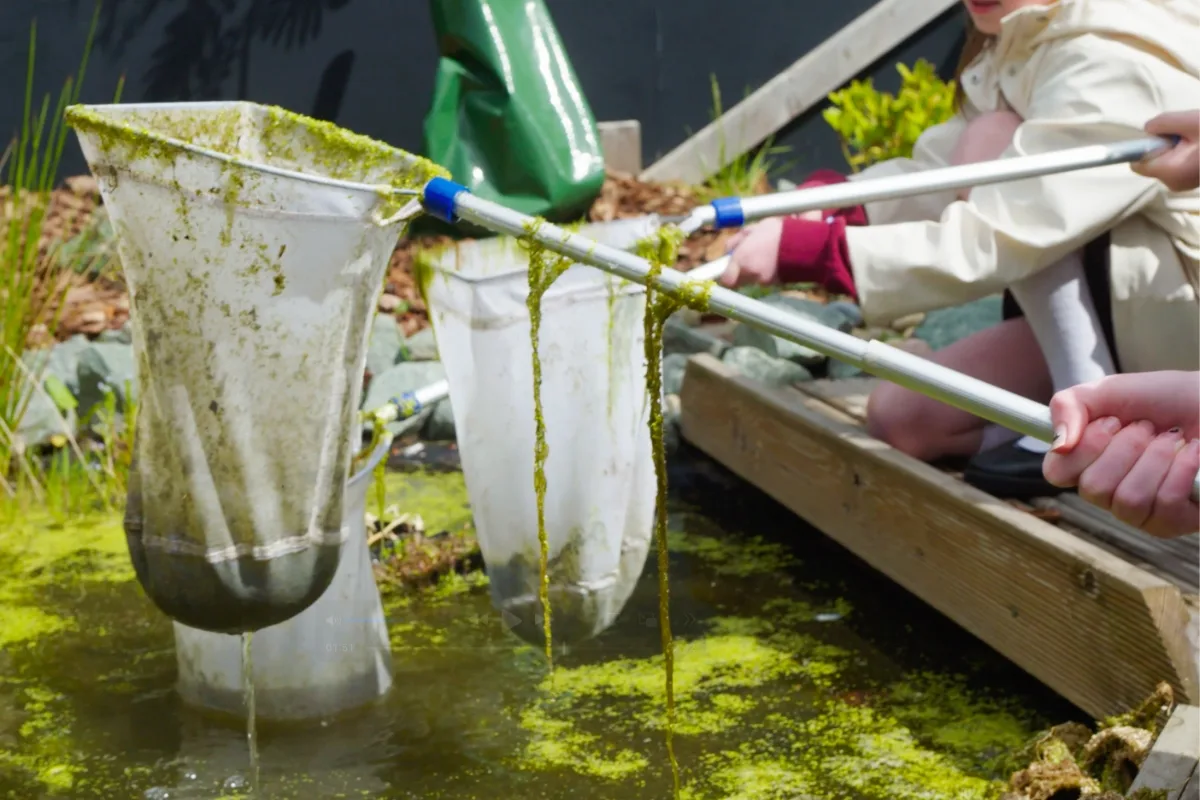
Nature and sustainability introduction
This guidance document provides an overview of how your school grounds can be part of your strategy to help you support nature and ecosystems in your grounds.
Looking for more guidance?
Visit our guidance and publications page to access a whole range of expert knowledge to support planning, delivering, and evaluating outdoor learning and play.
Tools
Turn the guidance into action with our range of tools. Start with our online audit app and workshop activities to find your school’s biggest climate challenge, then use the how-to guides to plan and make the change with your pupils.
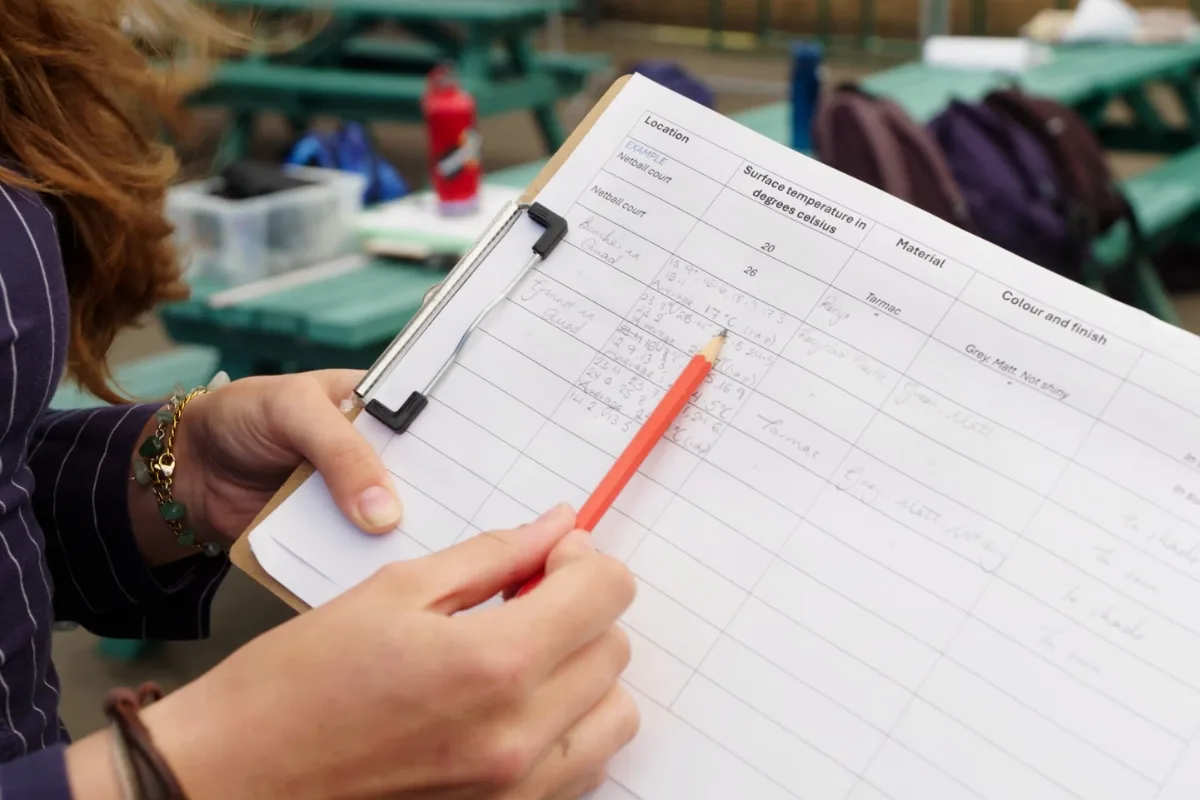
School grounds climate audit app
This free offsite app created by Learning through Landscapes is the first step towards making meaningful adaptations to the impacts of climate change on your school site. Ideally, a school grounds climate audit should involve the whole school community.
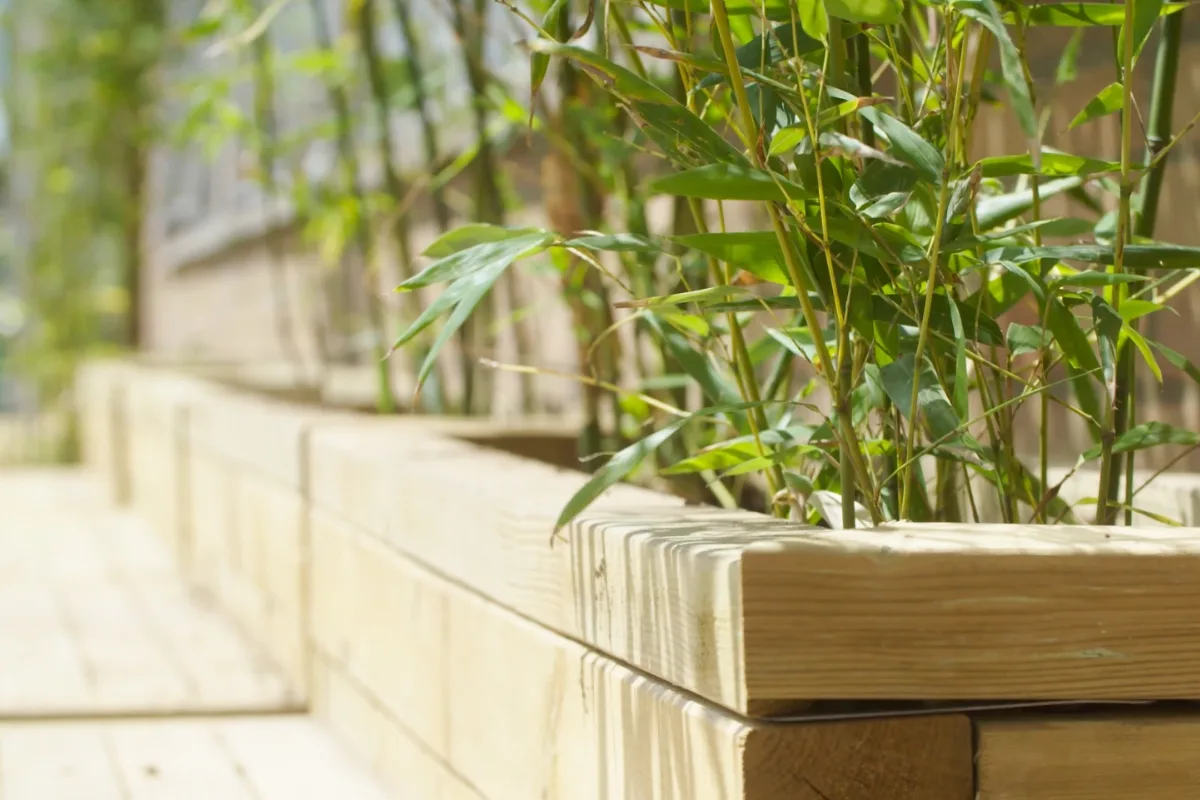
Making practical changes to school grounds
This short toolkit is provided to support practical changes in school grounds, no matter what the changes are. This document contains overall principles and steps which you should consider before any changes are made in a school grounds.
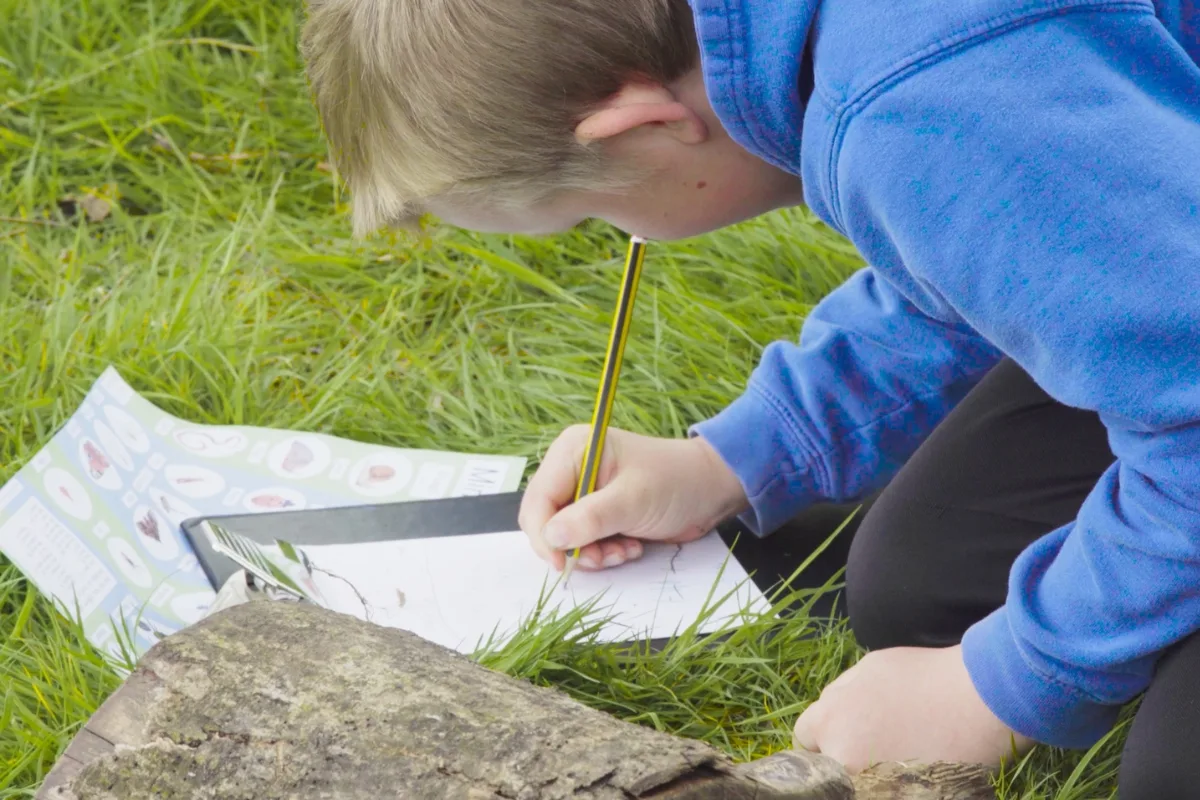
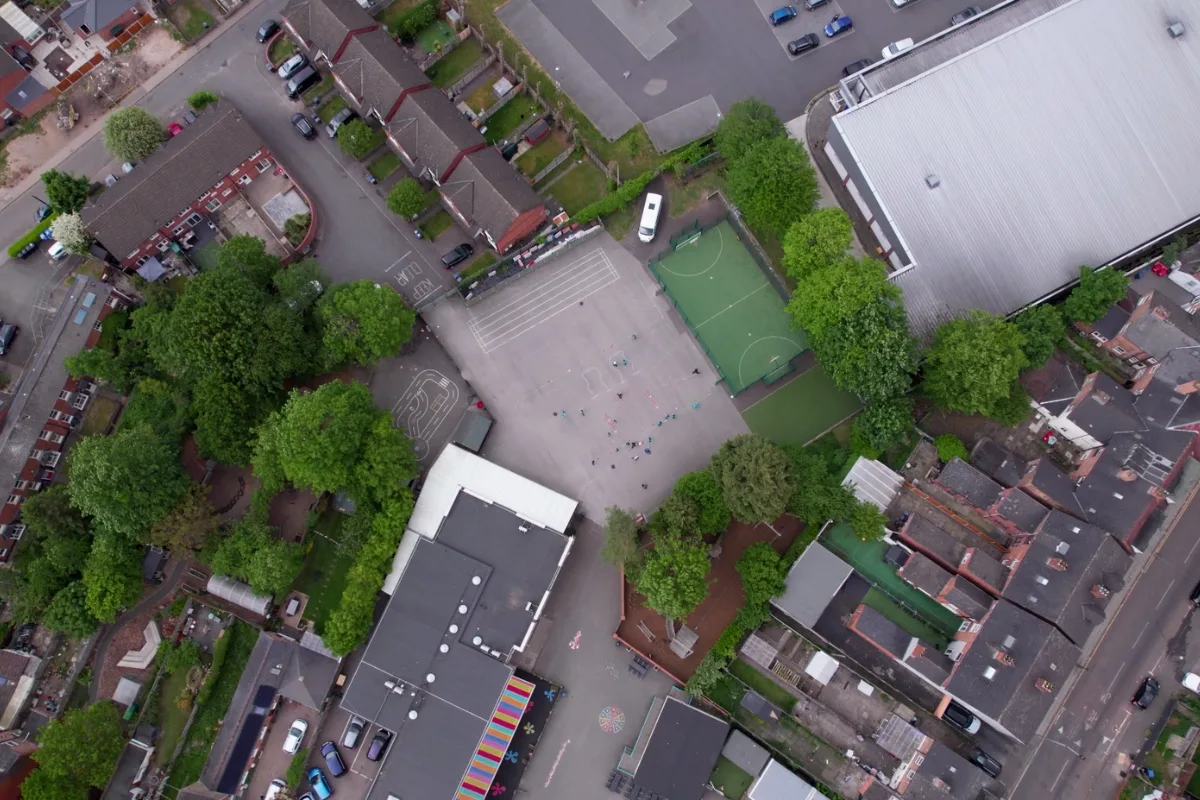
Workshop one: Auditing our school grounds
‘Where are we now? Auditing our school grounds’ is the first in a series of four workshops designed to help schools adapt their outdoor spaces to mitigate the impacts of climate change, focusing on six technical areas.
Workshop two: Creating a vision and priorities
‘Where do we want to be? Creating a vision and priorities’ is the second in a series of four workshops designed to help schools adapt their outdoor spaces to mitigate the impacts of climate change, focusing on six technical areas.
Workshop three: Problem solving and identifying solutions
‘How can we get there? Problem solving and identifying solutions’ is the third in a series of four workshops designed to help schools adapt their outdoor spaces to mitigate the impacts of climate change, focusing on six technical areas.
Workshop four: Practical action
‘Making the changes: practical action’ is the fourth in a series of four workshops designed to help schools adapt their outdoor spaces to mitigate the impacts of climate change, focusing on six technical areas.

Nature and sustainability options
This document will provide you with a range of nature-based (and other) solutions for helping to increase the biodiversity of your school grounds.
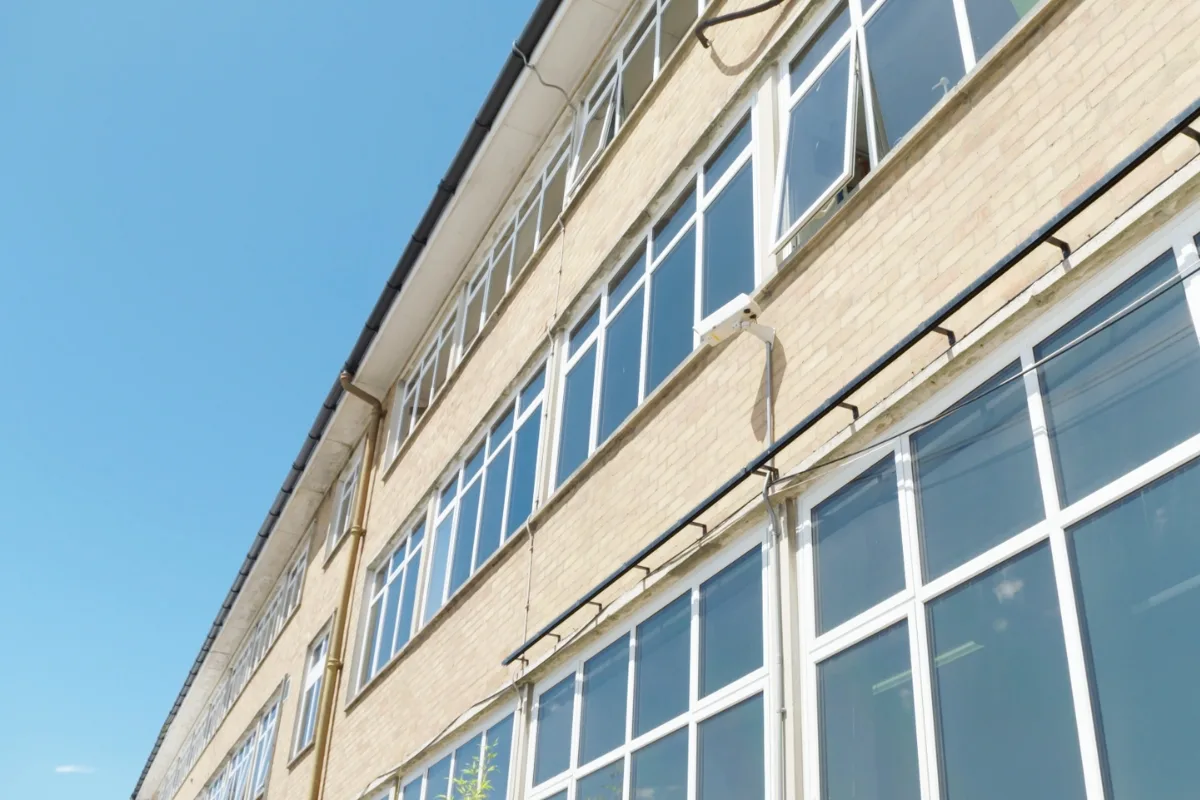
Temperature management practical options
This document will provide you with a range of nature-based (and other) solutions for helping to manage the temperature in your school grounds, whether due to overheating or cold winds sweeping across your site.

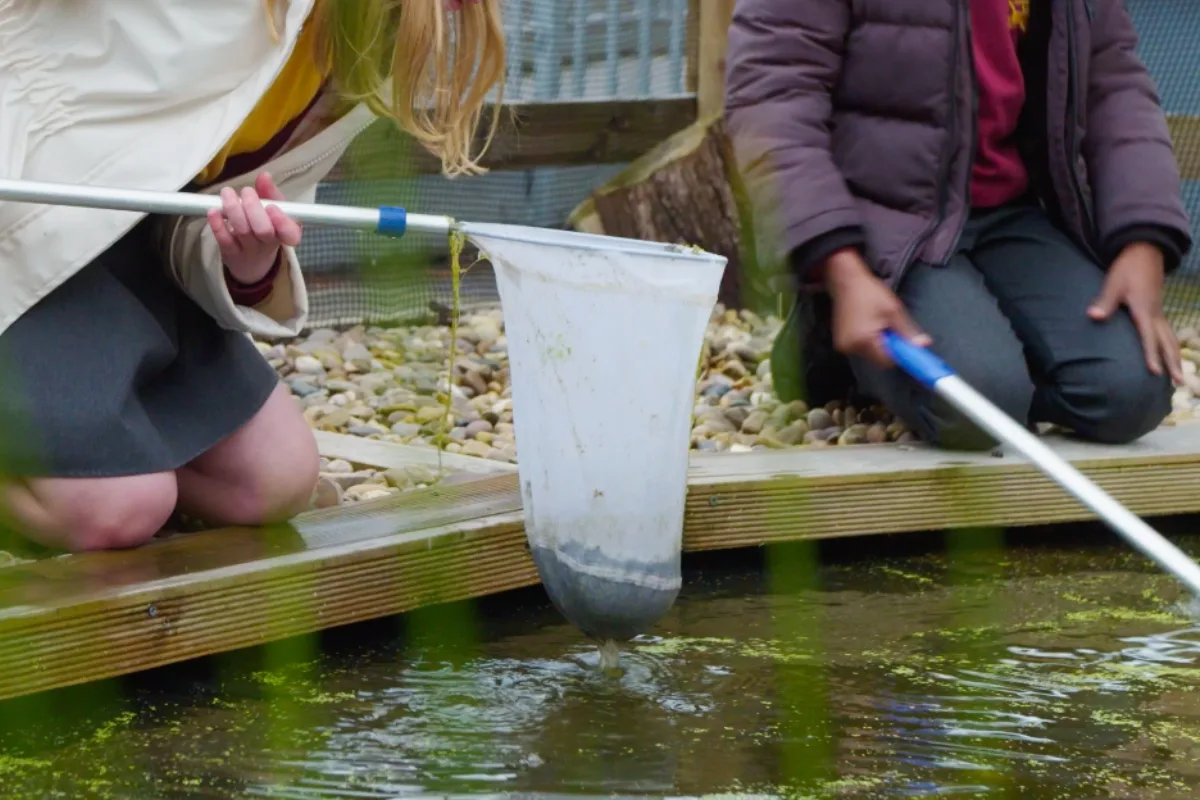
Water management practical options
This document will provide you with a range of nature-based (and other) solutions for helping to manage water in your school grounds, whether due to flooding or drought.
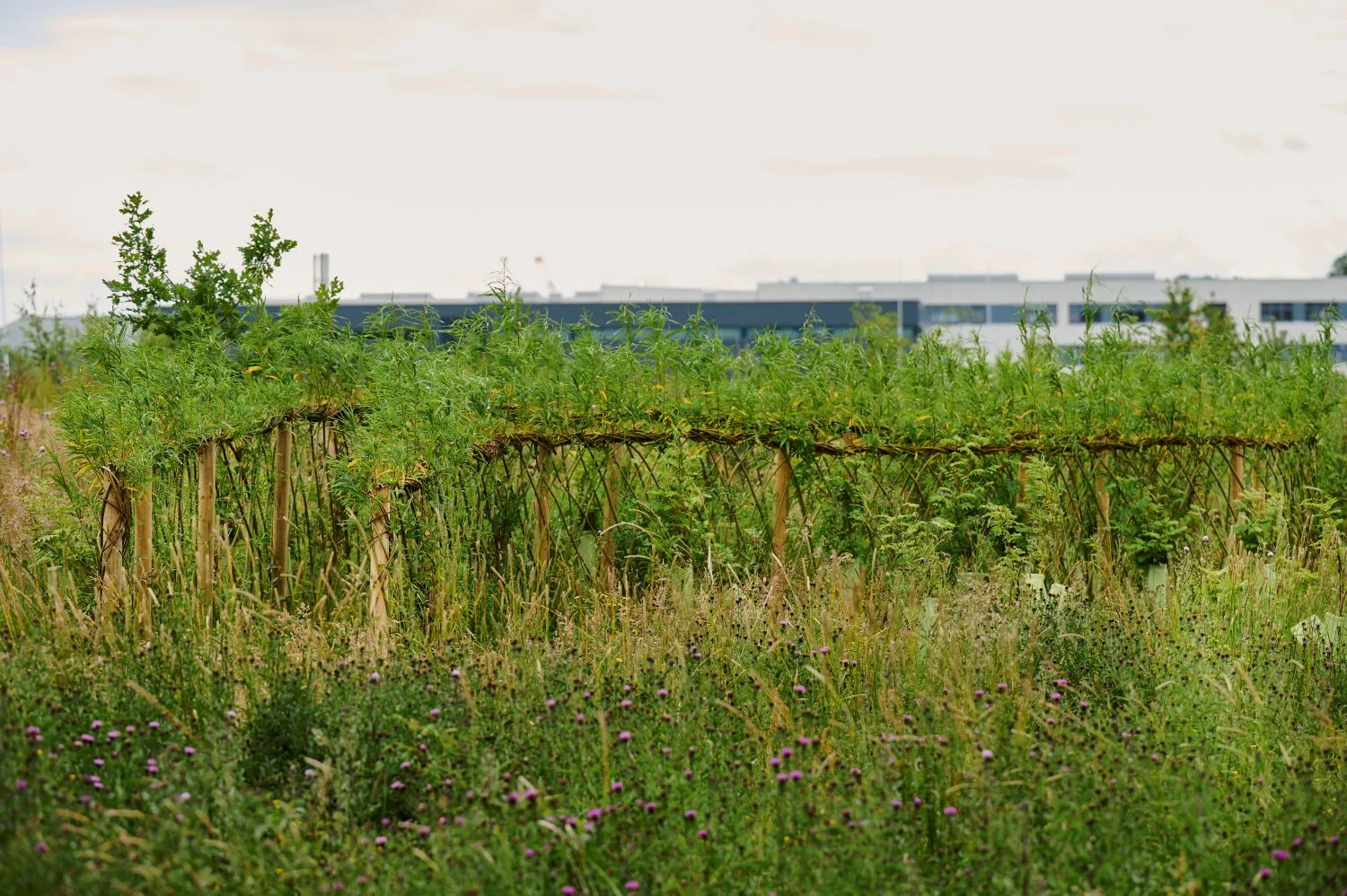
Carbon gardening options
This document will provide you with a range of nature-based (and other) solutions for gardening to sequestrate more carbon in your school grounds.
Projects
Take a closer look at some of our projects working to address the impacts of climate change on school sites and improve climate education.
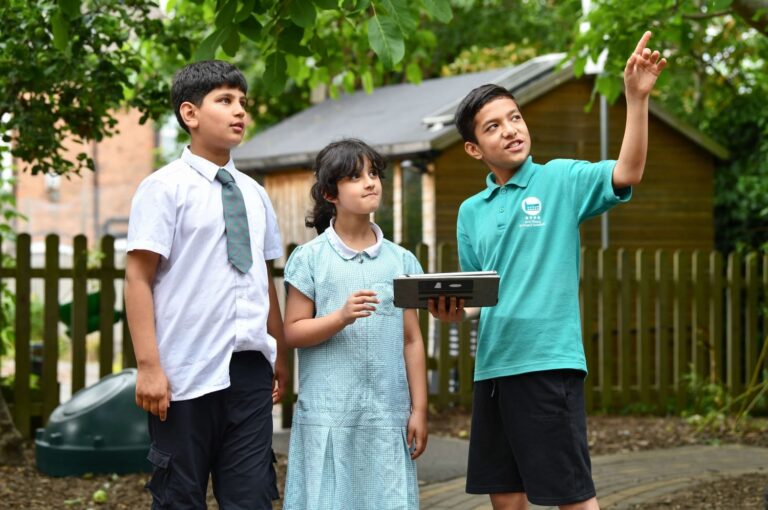
Climate School 180
The Climate School 180 project challenges schools to embed climate change education across the curriculum and use the scho…
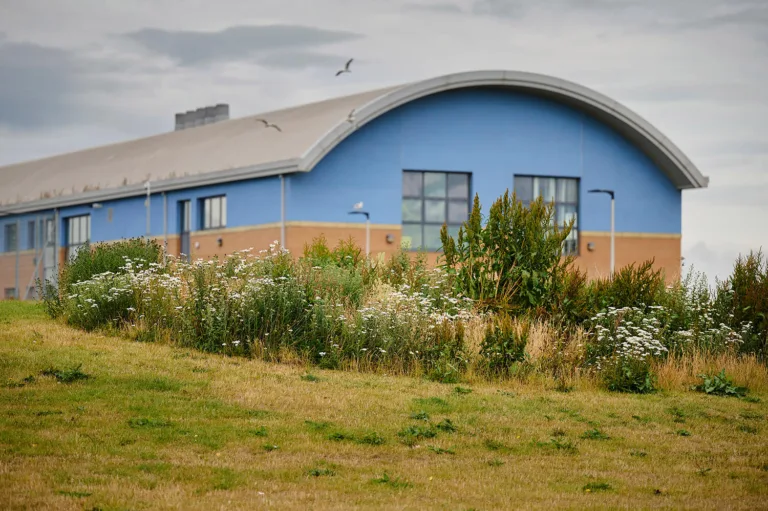
Climate Ready School Grounds
Climate Ready School Grounds explores using school grounds to address the impacts of climate change whilst creating outdoo…
News
Read the latest news, stories, and advice related to climate change in schools.

Teaching climate change through making adaptations to school grounds
We advocate teaching climate change through practical, child-led adaptations to school grounds. We’ve collaborated with Stirling University, and the report is out now.
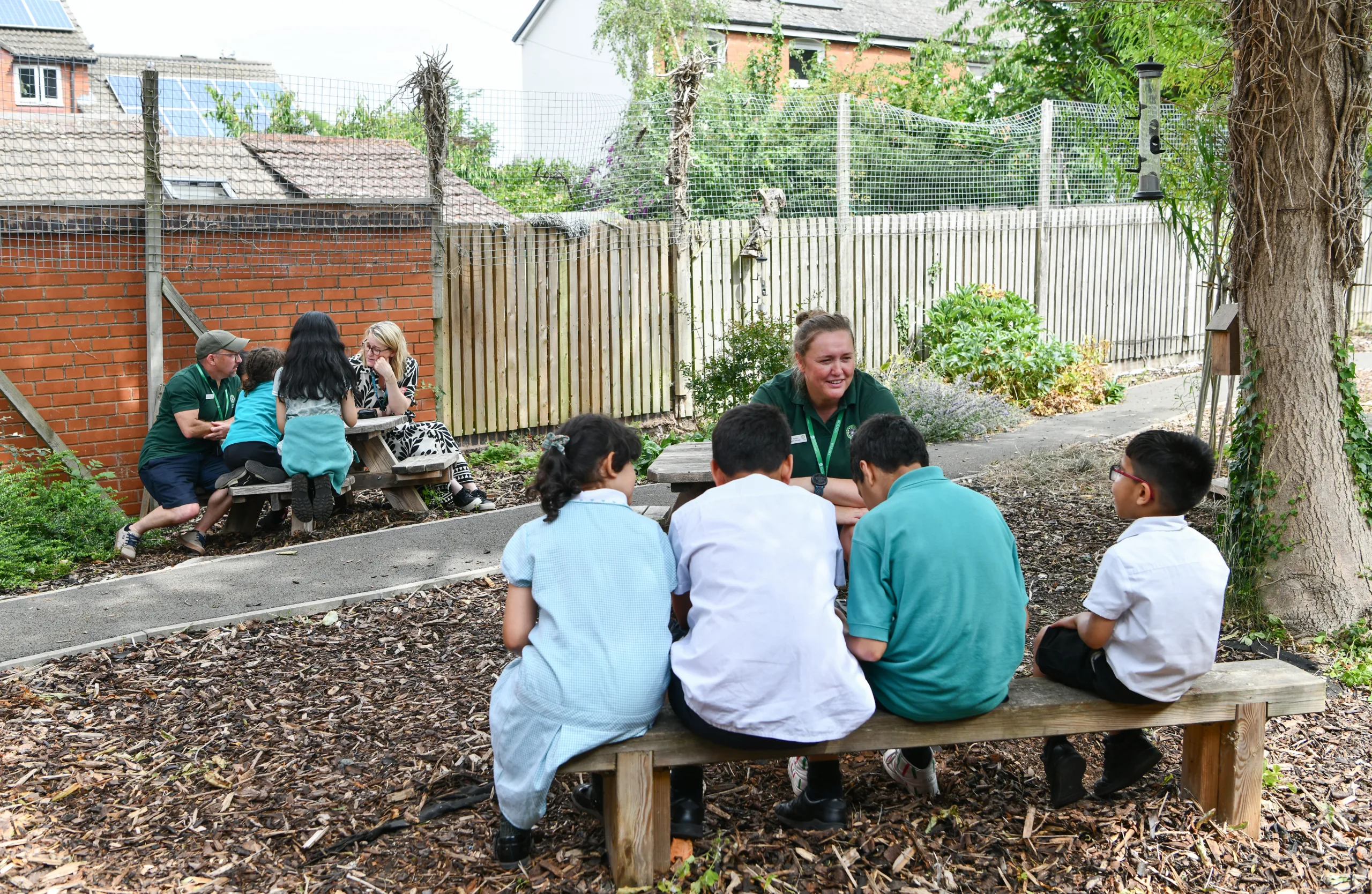
How to find time for Climate School?
Finding extra time for climate change education is challenging. Holly Willmott argues that the best solution is to integrate it into everything that schools do.
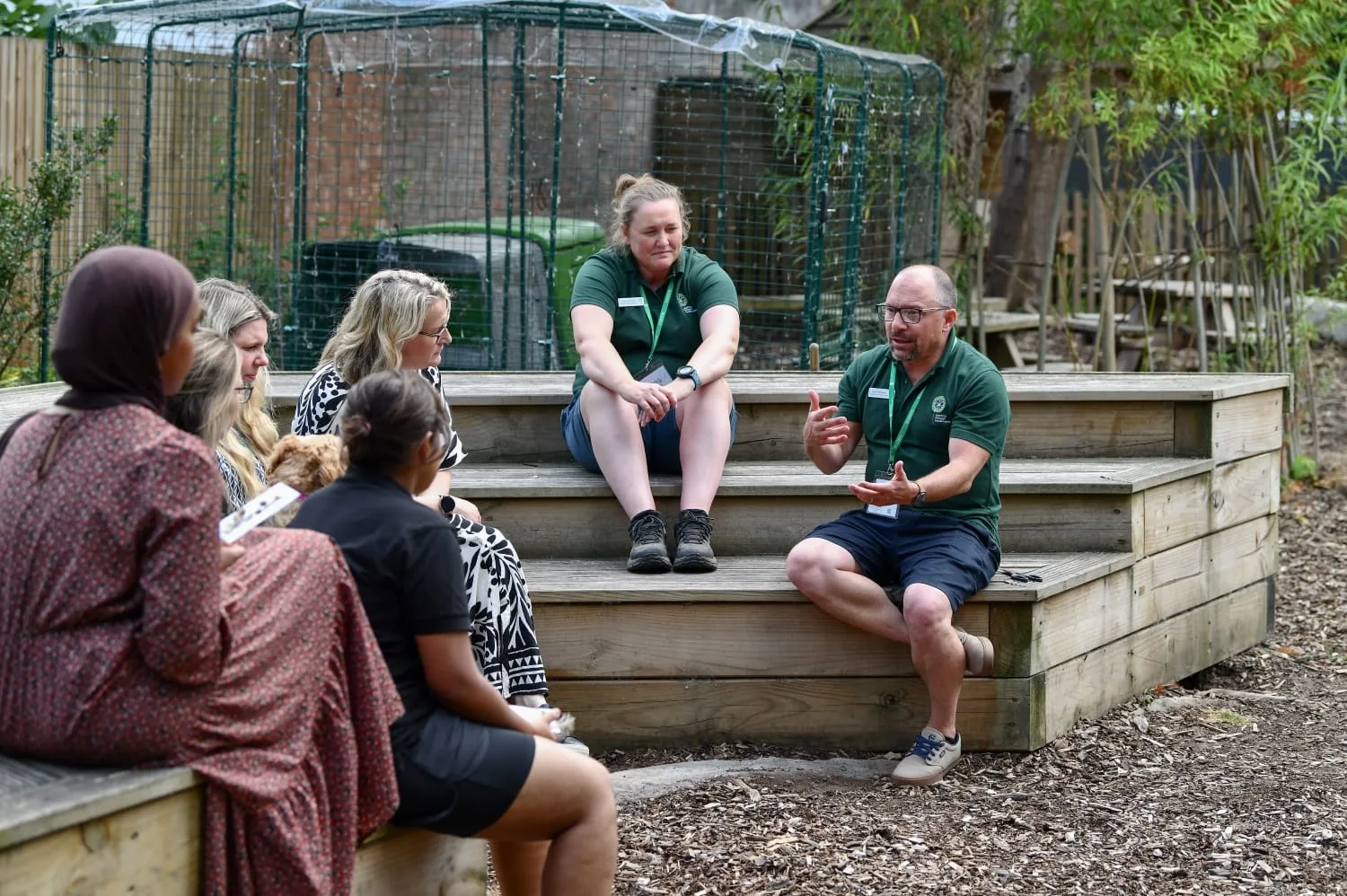
Climate School 180: The story so far
Climate School 180 is an evidence-informed initiative to embed meaningful climate change education and outdoor learning across the curriculum. Project Manager, Holly Willmott, reflects on the impacts of the project so far…

Why school grounds must be part of the climate change solution
Find out how school grounds can bolster climate resilience, encourage biodiversity, and promote climate action through learning and play in nature rich environments.
Sign up to our newsletter
Be the first to hear about the latest news, resources, and funding opportunities related to climate change at school. Sign up to our newsletter today.