The Scottish island children planting trees to create a sheltered place to play
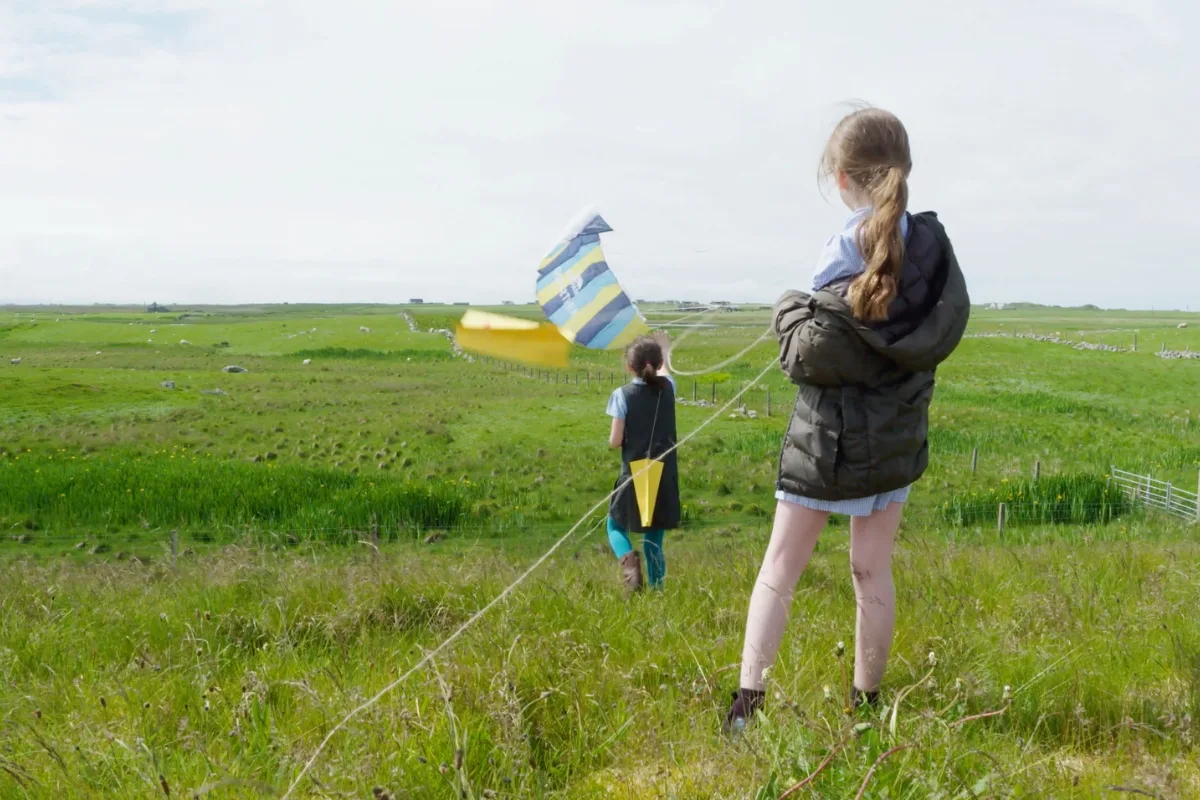
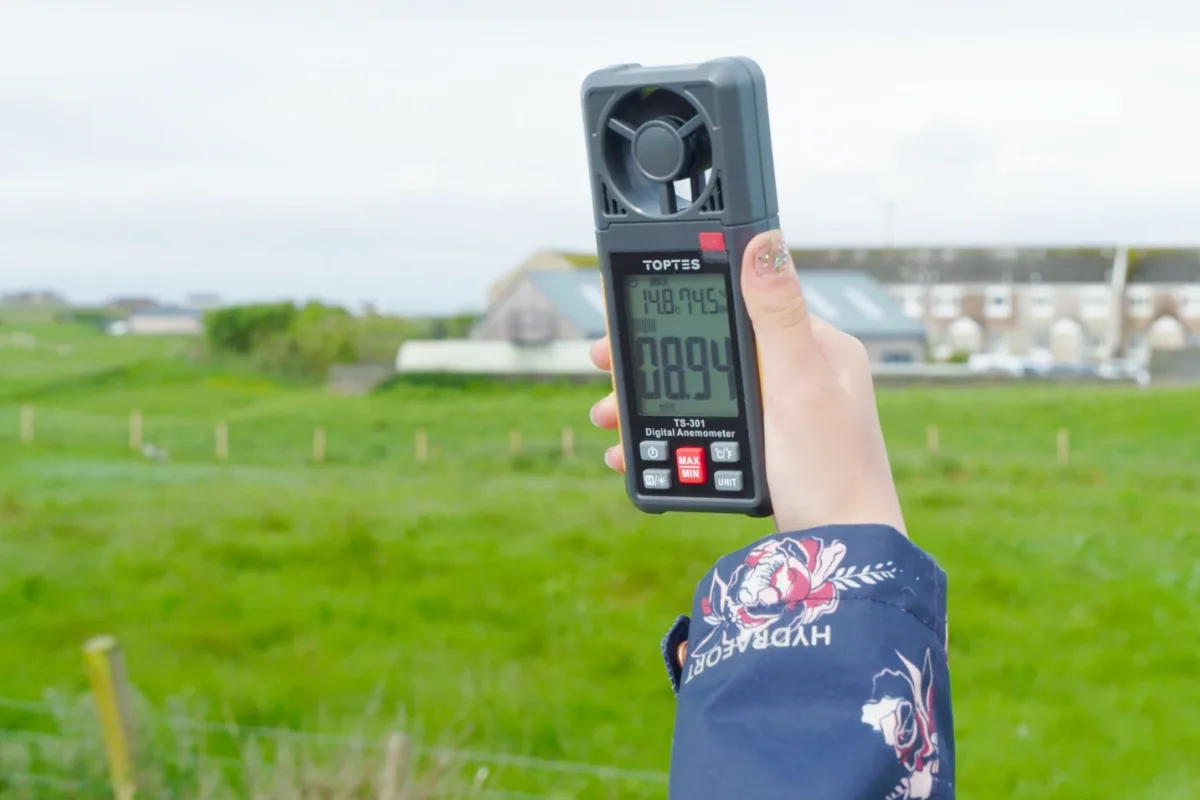
Strong winds are part of the culture of the Uists, the connected chain of Outer Hebridean islands off the west coast of Scotland. The full-force of the Atlantic winds blow across the unique Machair — the fertile, low-lying coastal habitat found only here.
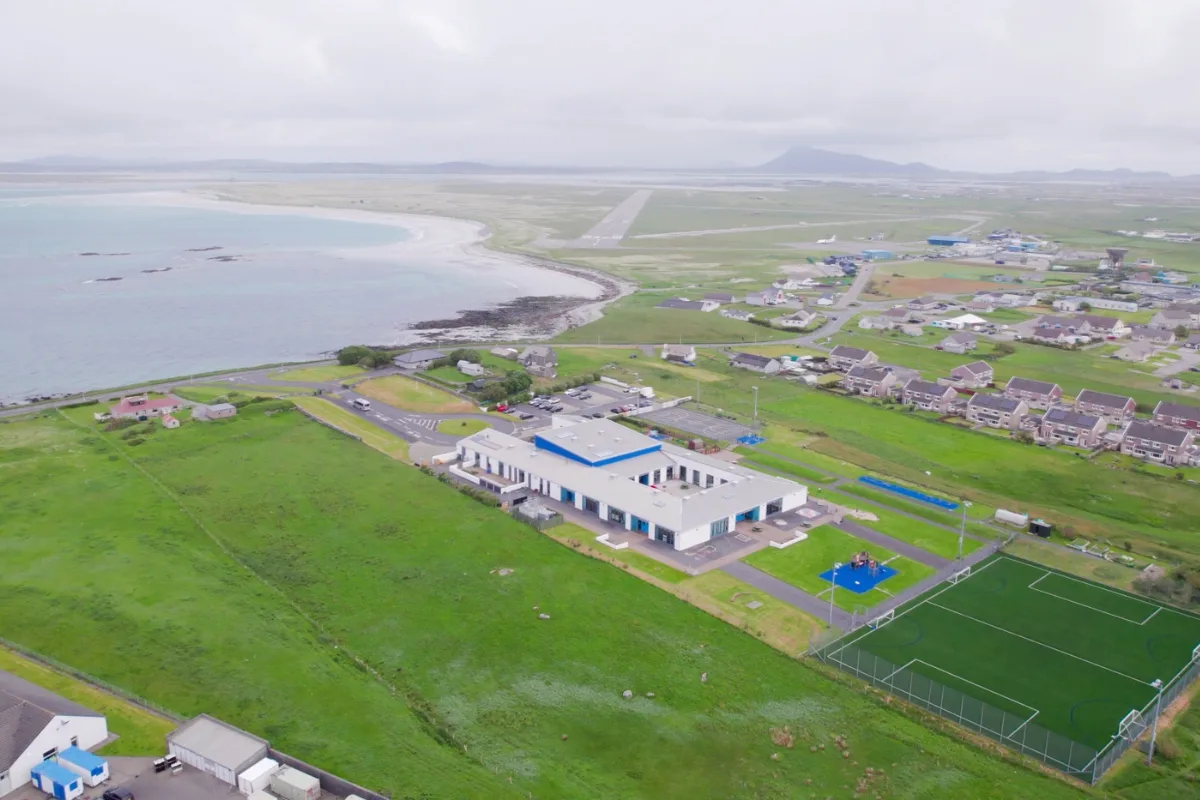
Teacher Sam Minty explains that the current Balivanich Primary School is a relatively recent replacement:
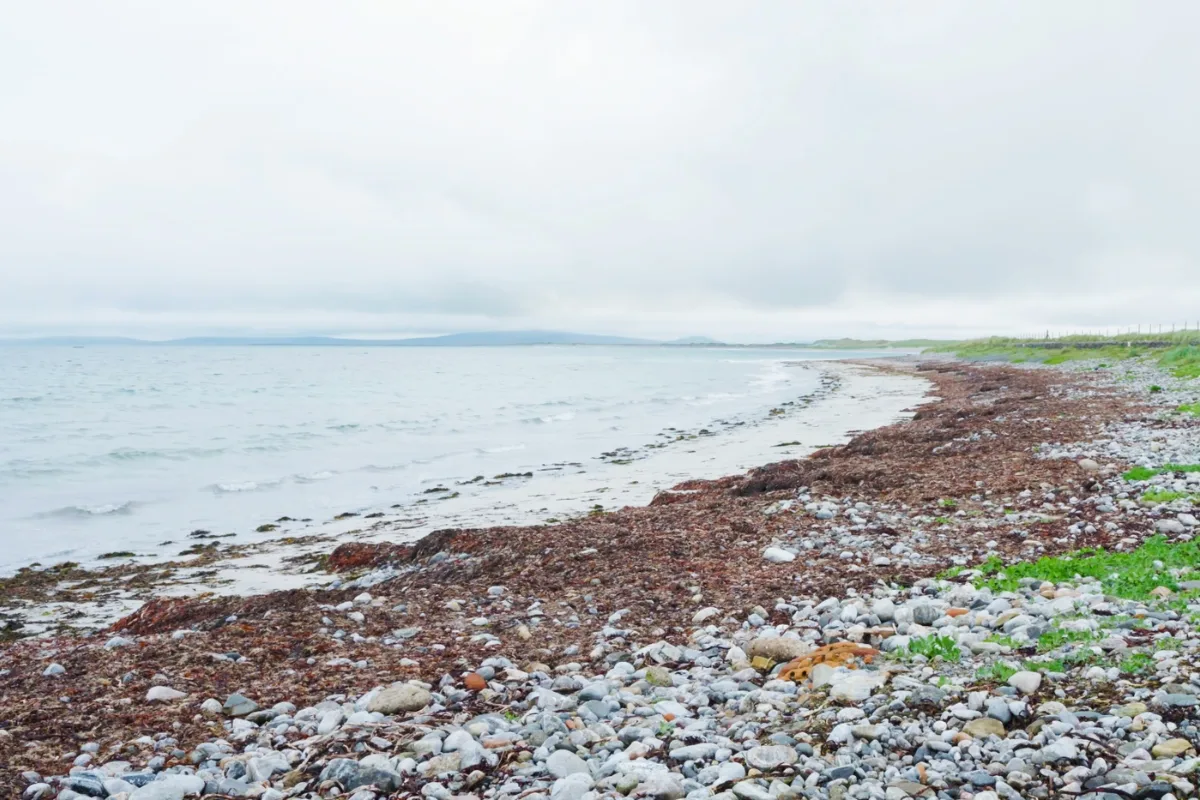
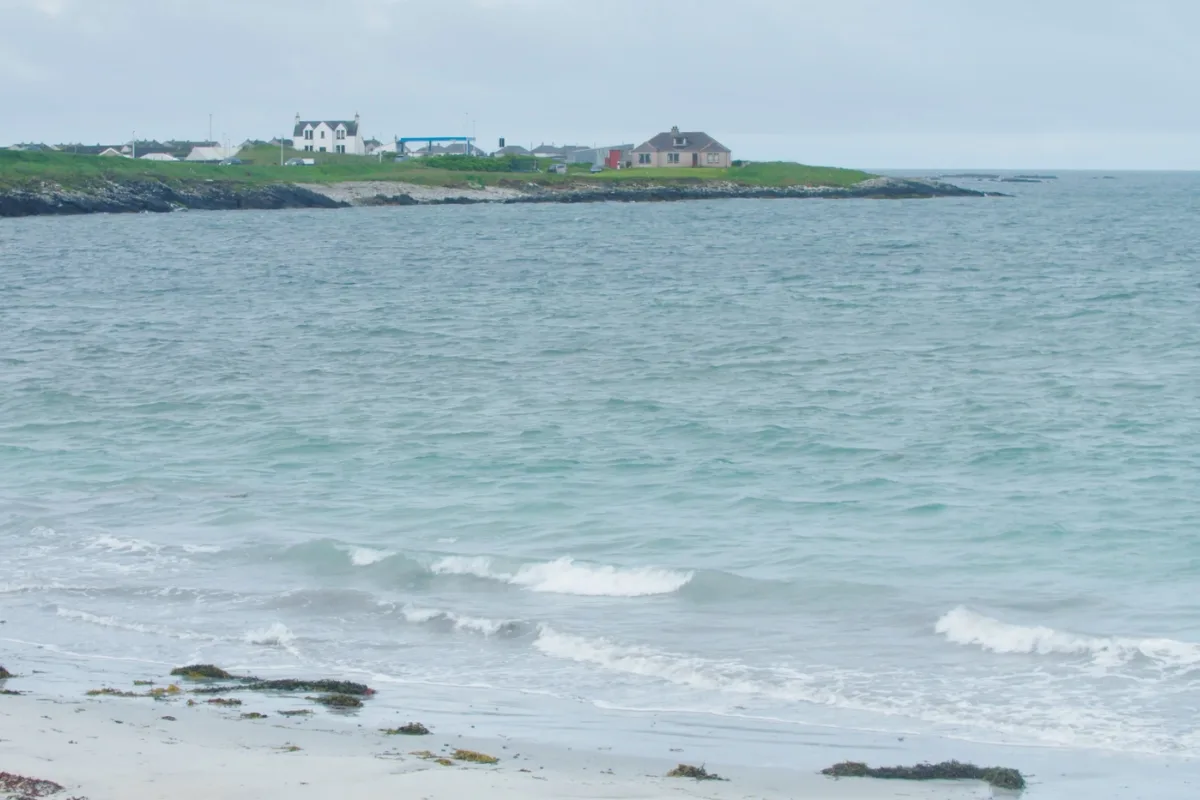
“It’s a new-build, around about 14 years ago now. The old school was right on the shore. We had two really large storm surges that smashed the windows to the classrooms.”
When we’re looking at storm force nines, storm force tens, we can’t come to school.
“But with a new school comes a new set of problems. The land is bare croft land. And for anybody who knows the Uists, there are not a lot of trees. Some schools might have snow days, we have wind days. When we’re looking at storm force nines, storm force tens, we can’t come to school.
“It’s too dangerous for the children on buses, especially when you’ve got tiles and debris blowing around all over the place. And we also have causeways, which at a high tide with a storm surge can be incredibly dangerous.”
 |
 |
|---|
Are storms getting worse with climate change?
It is difficult to predict long-term patterns, and likely that some places will get more storms than before, and some fewer. But yes, climate models do suggest that damaging windstorms are becoming more frequent and severe. Wind-driven rain is expected to increase, with particular risk to the building fabric of westerly and southerly facing buildings.
Storms are also intensifying faster as warmer oceans boost windspeeds more rapidly. A warmer atmosphere is wetter, making local convection more extreme – this means heavy local downpours that can cause flash floods. And as the jet stream meanders as a result of changing temperature differences it is becoming harder to accurately track storms and warn communities to prepare themselves.
Local community pride
Climate change is affecting so many aspects of island life, and one deeply important part is the freedom of the children to play outdoors. Winds often keep them indoors at playtime, and the staff at Balivanich – Sgoil Bhaile a’ Mhanaich – wanted to address this.
Sam Minty says, “This (new) school was a very much a blank canvas, and we’re very lucky to have the space at the back of the playground that we could do what we want with. It’s southerly, so it’s lovely and sunny when we get the sun, but it’s also very exposed to the southerly winds.”
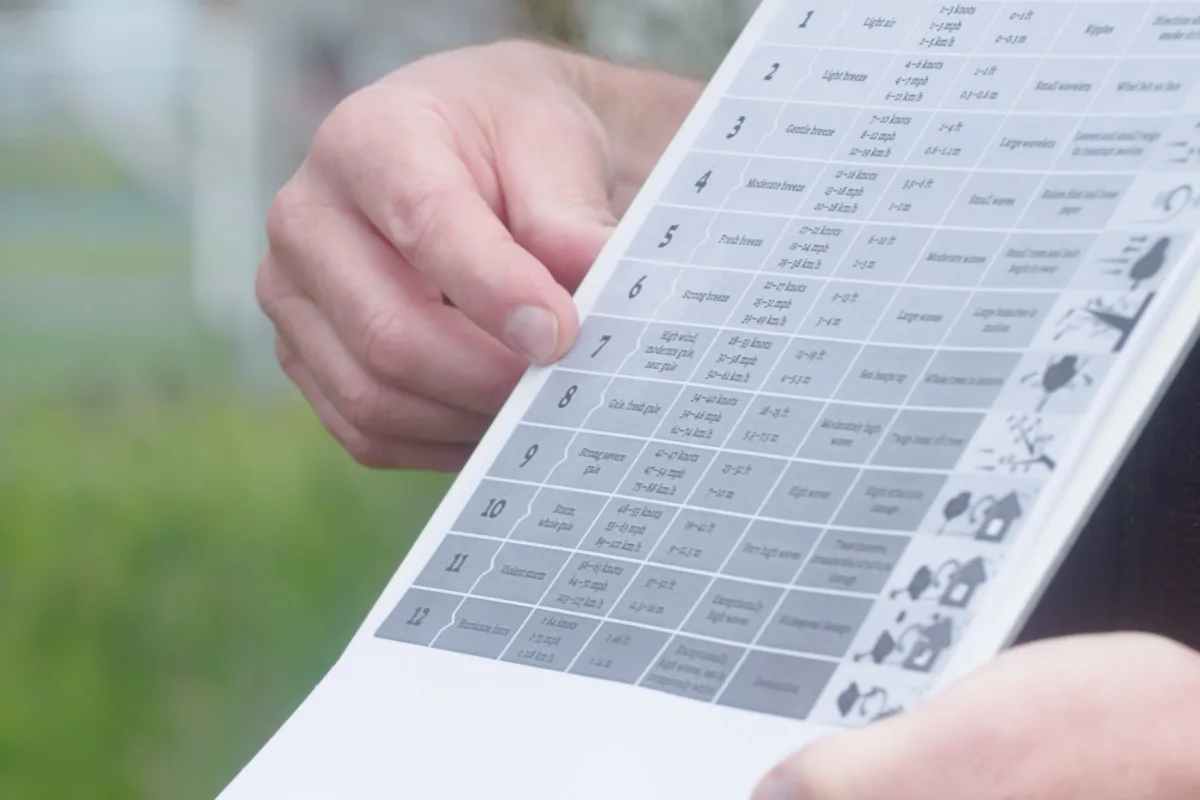
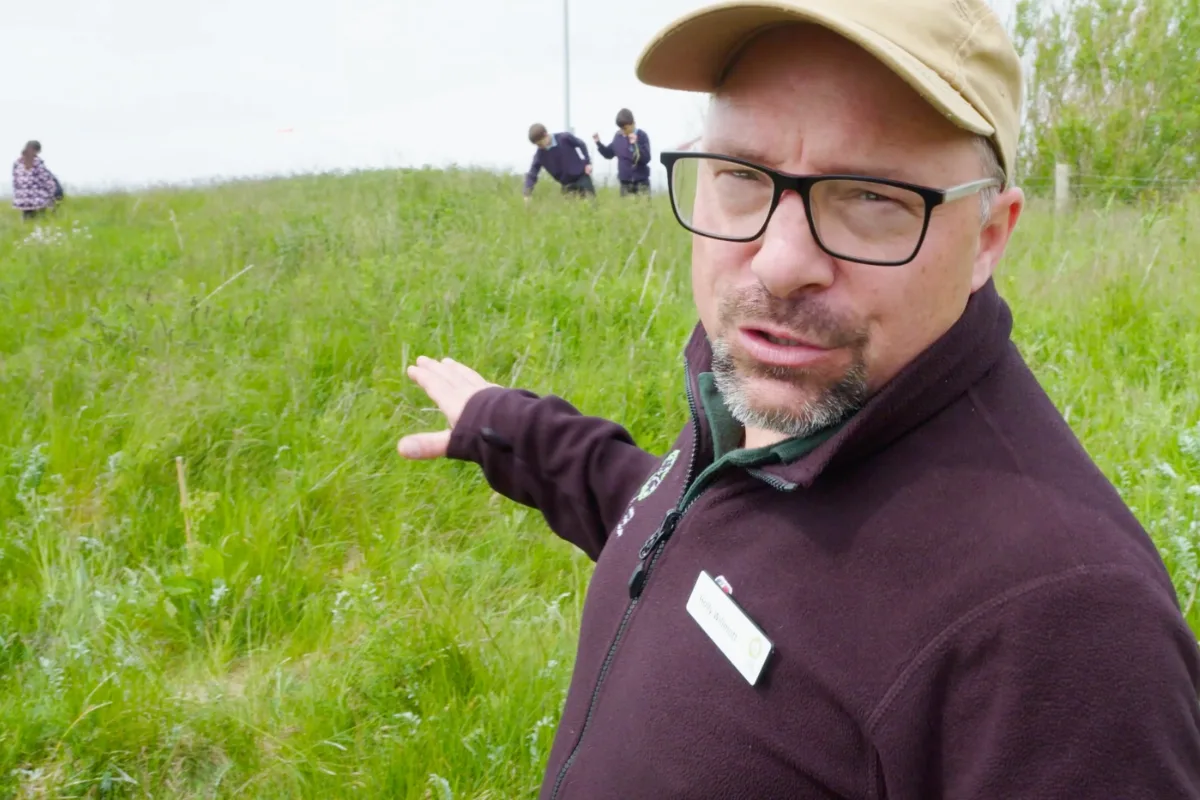
So LtL’s Holly Willmott helped the children’s eco committee to audit their grounds.
 |
 |
|---|
Planting trees to reduce wind
They identified the need for a wind buffer, and a desire to increase biodiversity. With help from the Woodland Trust, they planted 150 trees. They have around 150 children in the school, so Head of School Kirsty Brennan explains:
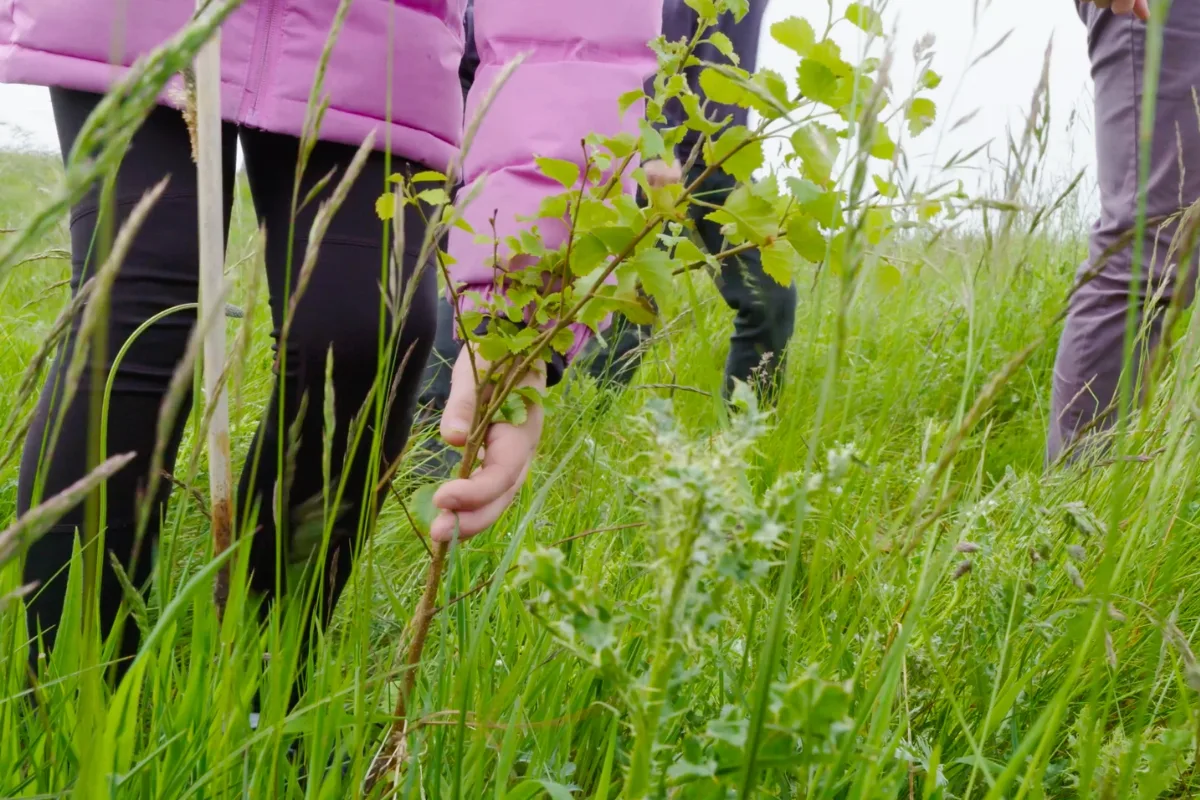
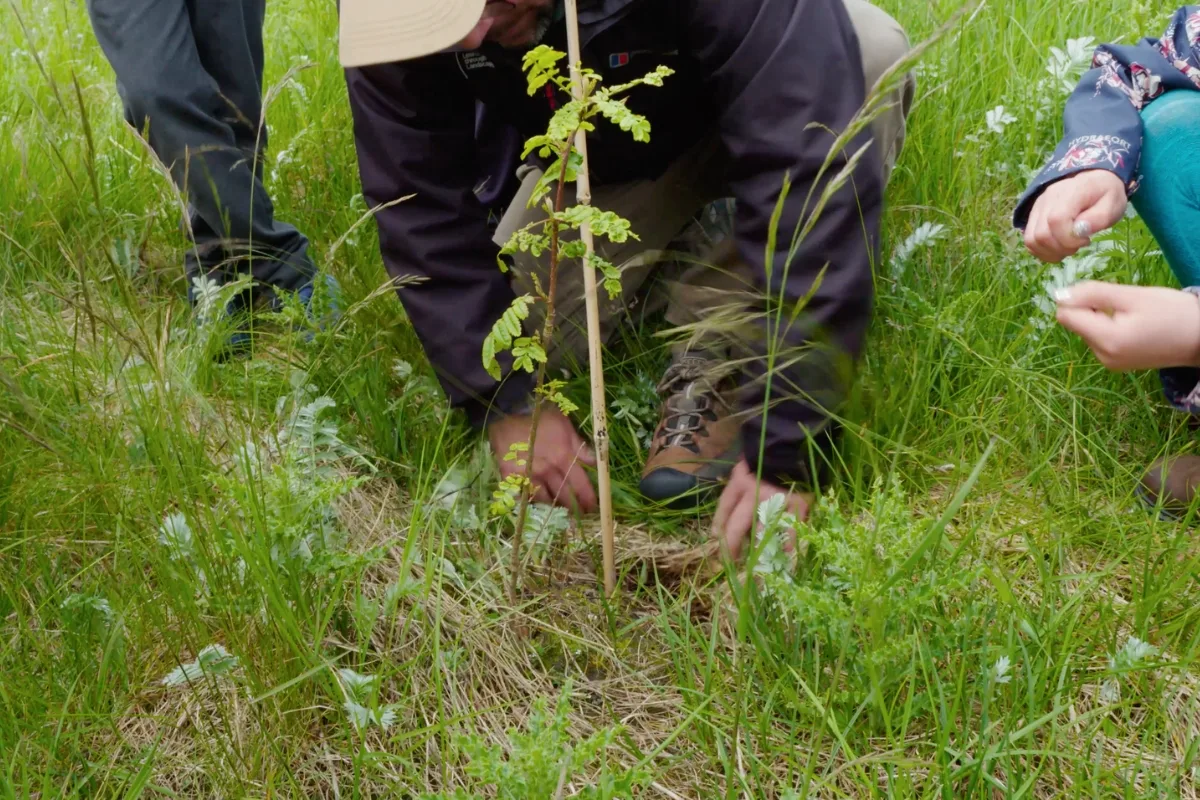
“We decided to give every tree planted to a child, and they are the custodian of that tree. And as the children move up the school, they look after their tree, they care for it, and then as they leave the school, the primary sevens will gift their tree to somebody coming into our nursery.”
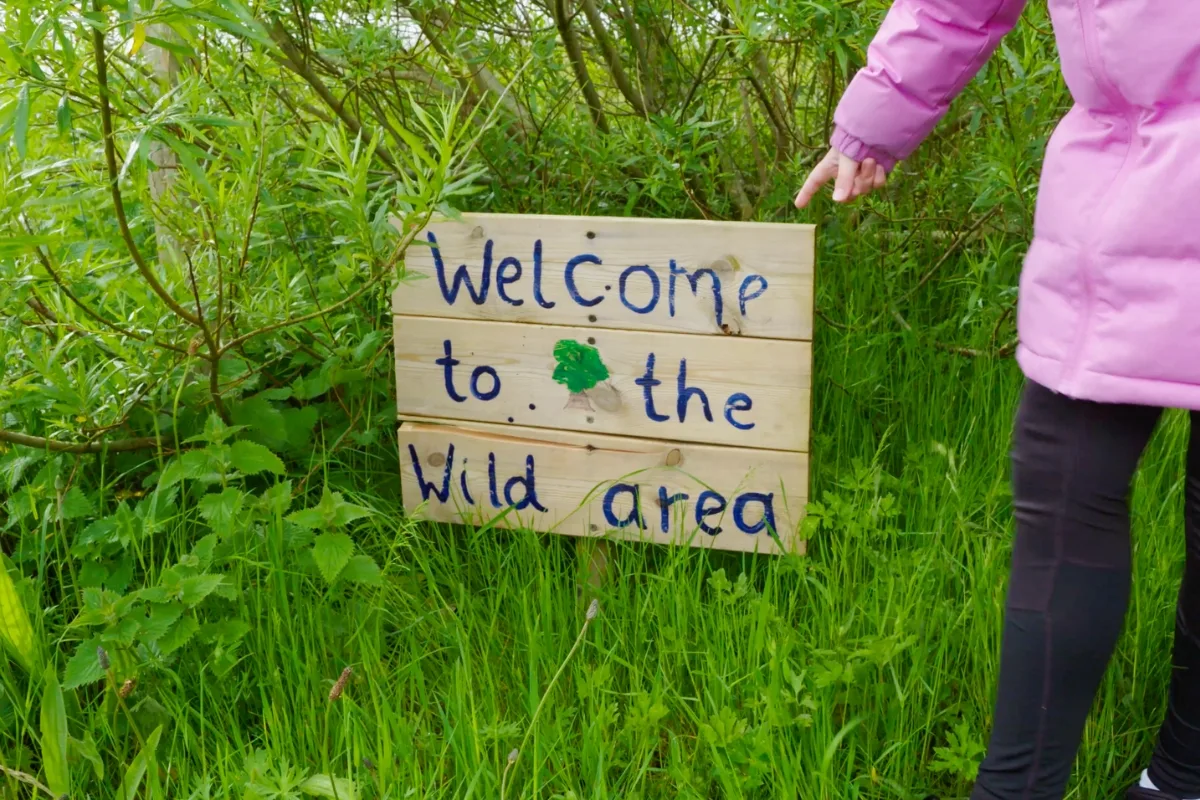
The tree adoptions were the eco committee’s idea. Sam Minty says, “Each child wrote their name on a label and attached it to their tree. We found that led to a lot less snapping branches off the trees, which is understandable.
They’ve done a great job of making sure that the trees are thriving because they’re all looking out for their own tree.
“They want to play with twigs, and they want to have their imaginative play by doing that, but it just meant that the area was a lot more protected from the children themselves. And they’ve done a great job of making sure that the trees are thriving because they’re all looking out for their own tree.”
 |
 |
|---|
Not many of them come from gardens where there’s trees.
Kirsty Brennan says, “The children absolutely adore the area. They think it’s brilliant. Not many of them come from gardens where there’s trees. The chance that they get to be in there, exploring, playing, relaxing, it’s just great for them.”
Sam Minty says, “It’s a very unique space for our island. The children have come in and adopted the area. It’s become their wild area. And they love it. They spend an awful lot of time here.”
Benefits for health and wellbeing
The staff can see benefits that stretch so much further than ‘just’ the children’s play time. Sam Minty says:
“It’s rewarding, but it’s more than that. Being able to give them the independence to play, for their imaginations to come out, that is so rewarding for me as an educator.
“And the best part is seeing the children ask “Can we go to the wild area?” rather than, “Can we go on our Chromebook?” It definitely makes the children here more resilient. That’s very important for how they will live in this community, in this environment, with climate change.”
Climate change is affecting how often our ferries run, how often our food is delivered, and that means that people are less likely to manage to live here.
“And they are recognizing that in years to come, they will see their children out here as well, and that’s what island communities want. We need that ability to thrive, to stop depopulation, and climate change affects those things. Climate change is affecting how often our ferries run, how often our food is delivered, and that means that people are less likely to manage to live here.”
“We need to be able to give the children a chance to see how they can change those things. Planting is one way for them to do that. The children know a lot about trees now, and the nature, the bird life. All those things build roots, and we need our community to have those roots to be able to be sustainable.
“That’s a willow. A’ cur sheileachan. Tha sinn a’ cur. We’re planting willow. Glè mhath, very good! Gaelic traditions, the language, the heritage, the community that comes with island life is so important to us as a school and a community. That interdisciplinary learning that covers climate change, nature, biodiversity, and being able to name the trees in Gaelic as well.”
Thank you to teacher Sam Minty, Head of School Kirsty Brennan, and Learning through Landscapes’ Holly Willmott.
Ways to get involved
- We visited schools all over the UK to see the full range of climate challenges they were adapting to. Read the other case studies from schools dealing with heat stress, flooding, poor air quality, and biodiversity loss.
- Our Climate School 180 project has been adapted to be a self-directed course for teachers. Sign up to our newsletter to hear when the courses are launched.
- You can also use our school grounds climate audit app on its own.
- Balivanich was one of our Climate School 180 schools supported by the University of Stirling, who evaluated the process and brought collaborative inquiry and reflection. A deep dive into the thinking behind teaching climate change in this way can be found in the Climate School 180 evaluation report.


Related News
Teaching climate change through making adaptations to school grounds


Why pupils at a South London school are taking action to defend their classrooms from overheating