Early years outdoors
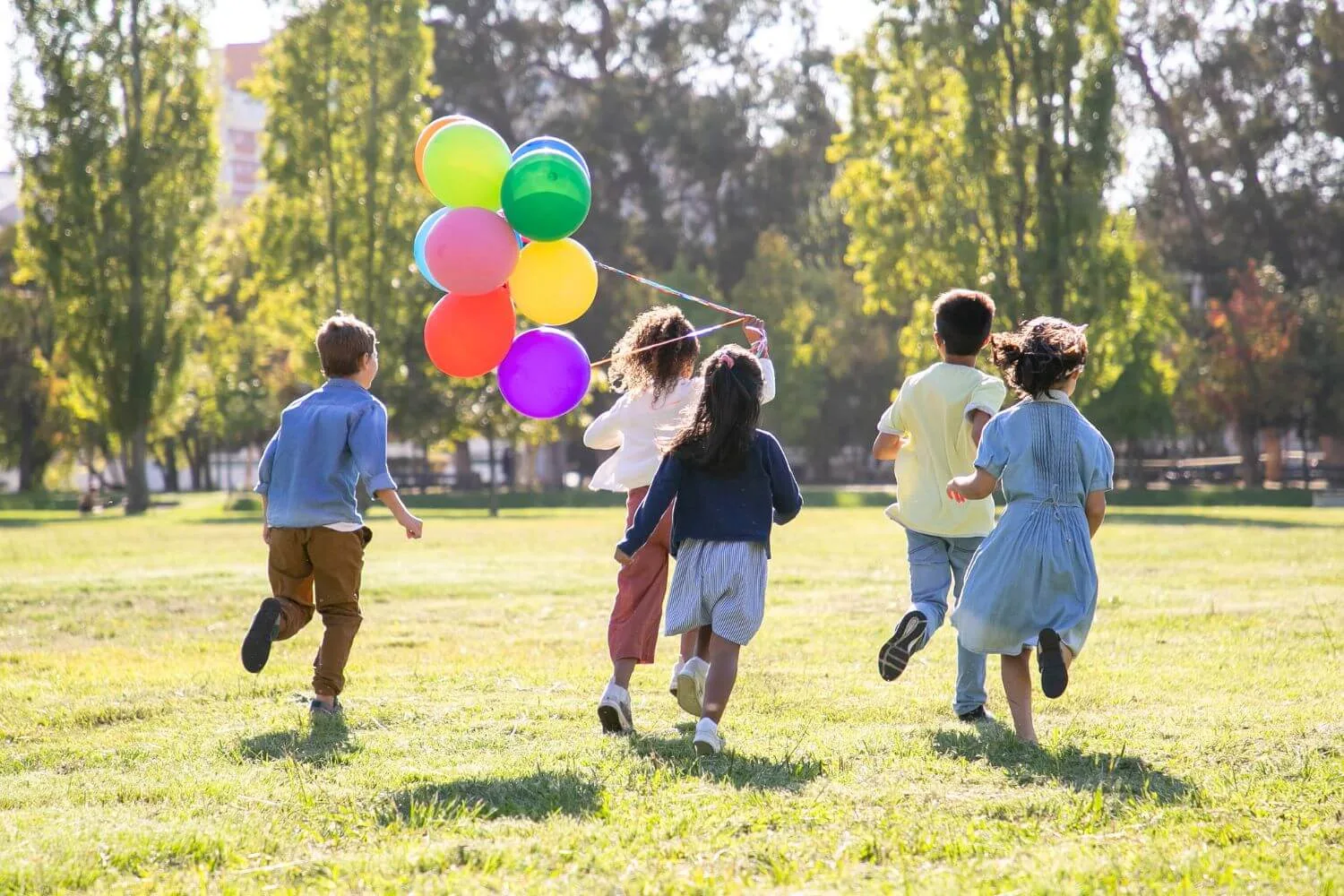
Young children are happier and healthier when they have regular opportunities to play outdoors. By making outdoor learning and play a regular part of your early years practice, you will help ensure positive intellectual, emotional, and social development whilst building the foundations for a lifelong connection with nature and our planet.
Resources
Below, you’ll find a wide range of resources to support your early years outdoor play and learning practice. These include outdoor activities developed by early years educators; tips, tricks, and advice from our blog; and more in-depth guidance on outdoor play and learning in the early years.

Ofsted: Learning outside the classroom
Inspections carried out by Ofsted except a rich and stimulating outdoor area to be present in schools and good use of the school grounds to be made on a daily basis. In addition to this, the Early Years Foundation Stage statutory framework provided by the DfE states that there must be access for children to an outdoor area and that outdoor activities have to be planned daily.


Nearby Nature
This study found that in a rural setting, levels of nearby nature moderate the impact of stressful life events on the psychological well-being of children. Specifically, the impact of life stress was lower among children with high levels of nearby nature than among those with little nearby nature. Implications of these finding are discussed with respect to our understanding of resilience and protective mechanisms.
Wells & Evans (2003)

Children in the Outdoors
A literature review investigating the positive relationship between children’s use of outdoor green space and their health and wellbeing.
Sustainable Development Research Centre (2009)

The Crucial Role of Recess in School
Recess represents an essential respite from rigorous cognitive tasks. It affords a time to rest, play, imagine, think, move, and socialize. Recess also helps young children to develop social skills required for wellbeing that are otherwise not acquired in the more structured classroom environment. After a recess break, children and young people are more attentive and better able to perform cognitively.
American Academy of Pediatrics (2014)

At Home with Nature: Effects of “Greenness” on Children’s Cognitive Functioning
Results indicate that children whose homes improved the most in terms of greenness following relocation also tended to have the highest levels of cognitive functioning following the move. The results of this study suggest that the natural environment may play a far more significant role in the well-being of children than has previously been recognized.
Wells (2000)

Natural Thinking
Children undertaking outdoor activities in nature appear to improve symptoms of ADHD by 30% compared to urban outdoor activities and threefold compared to the indoor environment.
RSPB (2007)
Training
We provide a wide range of online and in-person training courses to help you develop your early years outdoor play and learning practice. The training options below include courses for individual practitioners, whole early years settings, and wider organisations such as local authorities and nursery chains.
If you are looking for a more consultation-based approach, our Advisory Visit service includes an audit of your school grounds, observation of how they are currently being used and consultation with staff and children to produce a set of recommendations around your ongoing practice and development. We can also provide bespoke consultation services as required – please get in touch to request this.
Projects
We work closely with international partners to develop and deliver outdoor learning and play projects that connect children and young people to the natural world. Take a look at some of the work we’re doing in the early years.